

ADVERTISEMENT:

Search for a story:
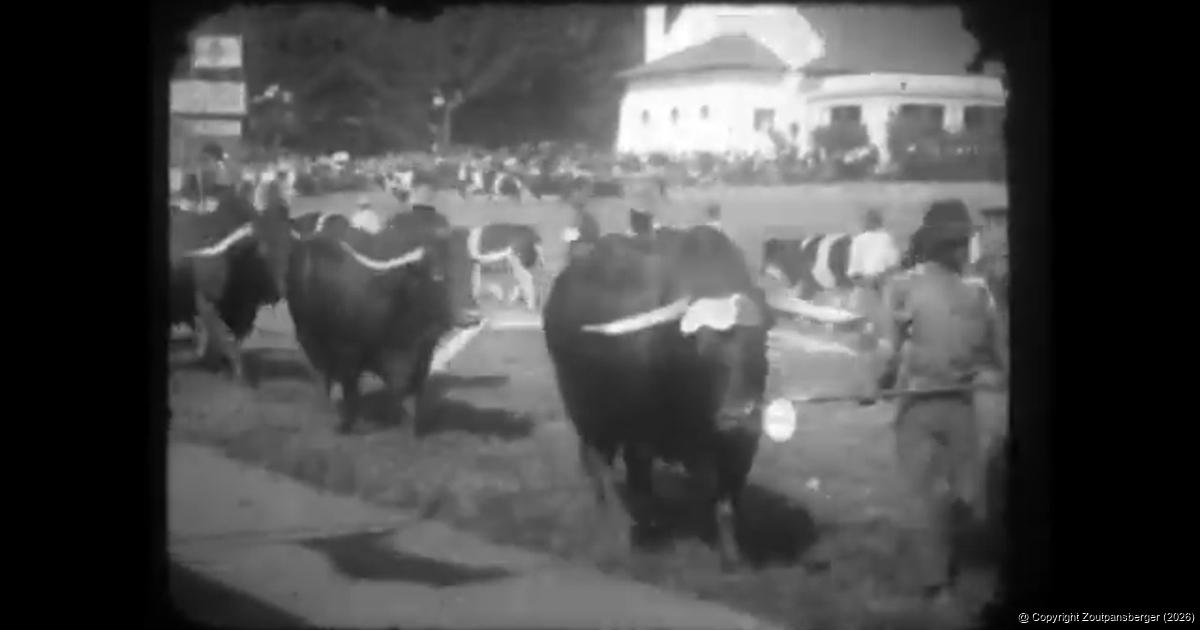
Oom Willem films an exhibition of cattle at what appears to be the Onderstepoort livestock ring and pavilions. However, we are not certain. Could the footage have been taken at the Rand Show in Milner Park?
WATCH: Oom Willem takes a trip to a mine, crosses Harties and visits Onderstepoort
Date: 20 September 2025 By: Andries van Zyl
We are fast nearing the end of our weekly travels with former Levubu resident Oom Willem van den Bergh. He left us a treasure trove of almost 100-year-old 16 mm films that he shot in the 1920s and 1930s of all his excursions, both locally and abroad, giving viewers a fascinating insight into a bygone era. In Episode 15, Oom Willem visits a mine, crosses the Hartbeespoort Dam wall, and pays a visit to the then world-renowned Onderstepoort government research facility.
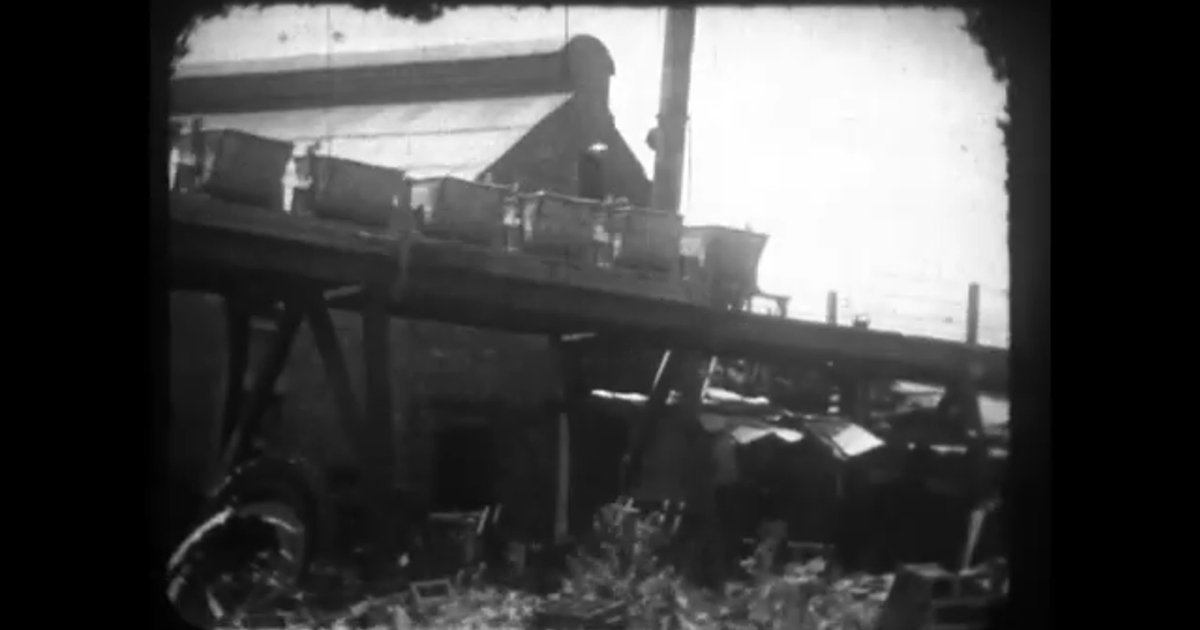
Early in the film, Oom Willem is seen visiting a mine, and judging from the footage that follows, the mine was most probably situated in the Pretoria area. The footage shows what appears to be ore-processing equipment, with blasting taking place in a huge open-pit quarry. This was most likely a platinum or base-metal mine, or possibly a limestone quarry. The open pit effectively rules out most mines in the Johannesburg area, which was dominated by deep-level gold mining on the Witwatersrand.
 |
|
The footage shows what appears to be ore-processing equipment, with blasting taking |
The first platinum mine, Rustenburg Platinum Mine, began operations in 1924. Early operations were open-pit and used simple concentrators. By the early 1930s, Union Corporation and others were developing concentrators with banks of cells or launders, similar to what is seen in the film.
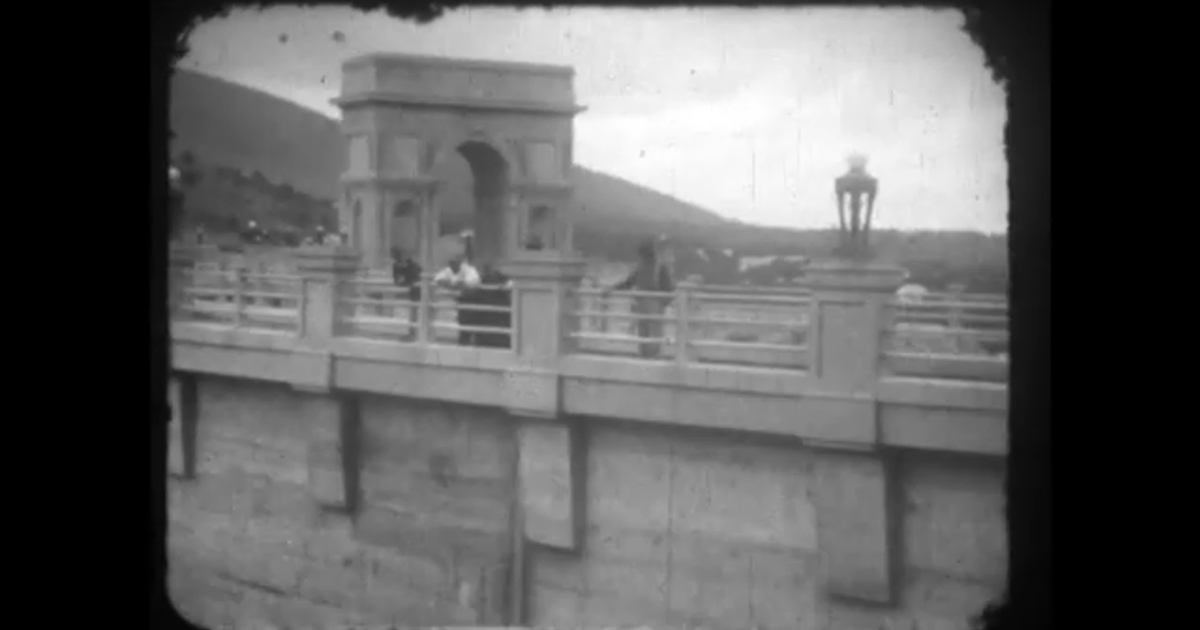
At the 2:39 mark, Oom Willem’s travel group is seen visiting what is most probably one of the most iconic landmarks in the Pretoria and Witwatersrand area: the wall of Hartbeespoort Dam.
The construction of the Hartbeespoort Dam wall is a significant chapter in South Africa's engineering and agricultural history. It was primarily built for irrigation, transforming arid land into fertile agricultural zones.
The idea for the dam originated with Gen Hendrik Schoeman, who owned the farm Hartbeespoort. In 1896, he initiated the construction of a dam wall across the Crocodile River near the railway line leading to Meerhof. Initially named "Sophia Dam" after his wife, the name was later changed to Hartbeespoort Dam. However, due to financial constraints and the onset of the Anglo-Boer War, the project was halted.
Construction efforts resumed in 1921 under the guidance of engineer F.W. Scott, who redesigned the dam wall to address previous challenges. By 24 May 1921, the Crocodile River was diverted, and concrete pouring began on 26 July 1921. The dam wall was completed in April 1923, and the road over the wall—which became the new main road between Pretoria and Rustenburg—was opened in September 1923.
 |
|
The Hartbeespoort Dam wall was completed in April 1923, and the road over the wall—which became the new main road between Pretoria and Rustenburg—was opened in September 1923. |
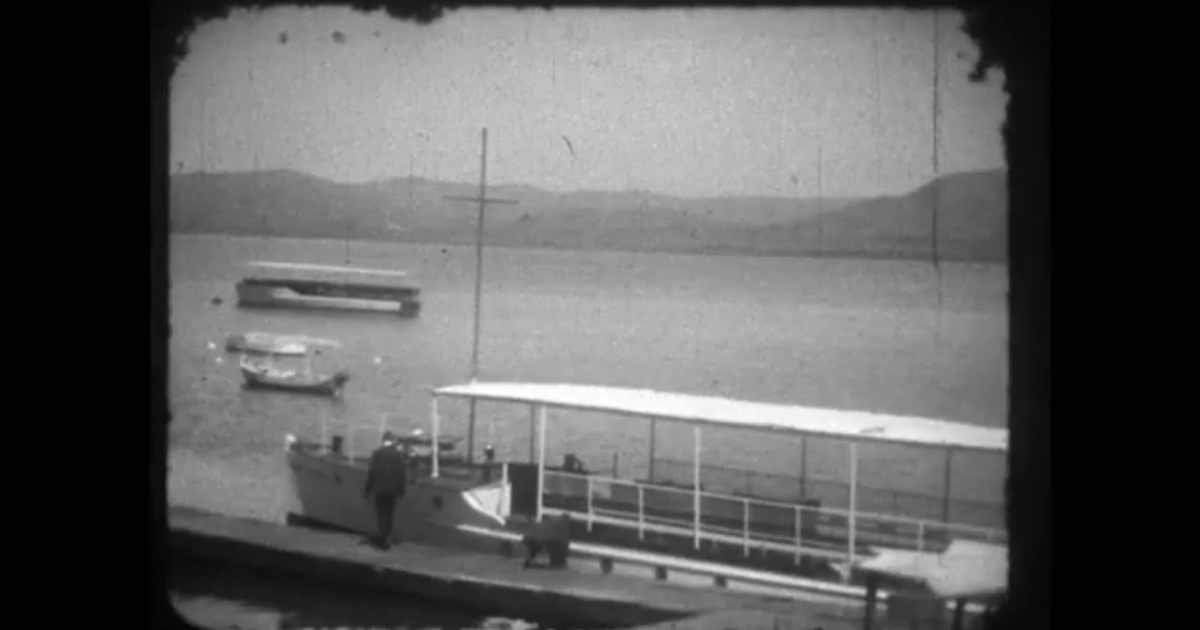
Some time is spent atop the dam wall, after which Oom Willem travels down to the Hartbeespoort Dam shoreline at around the 4:30 mark. By the late 1920s, the Hartbeespoort Dam had become a popular recreational destination. It offered various leisure activities, including boating and fishing, attracting residents from nearby urban centres. The establishment of the Transvaal Yacht Club in 1923 further cemented the dam's status as a hub for water sports and social gatherings. Oom Willem and friends are seen enjoying an open-water voyage during the film.
 |
|
The Transvaal Yacht Club at the Hartbeespoort Dam which Oom Willem visited. |
At around 06:16, Oom Willem and Tannie Jo arrive at what is clearly an agricultural research station. The first clue comes at 06:48, when a signboard reads “Government Experimental Farm.” By 13:30, the distinctive buildings confirm it as the world-famous facility at Onderstepoort.
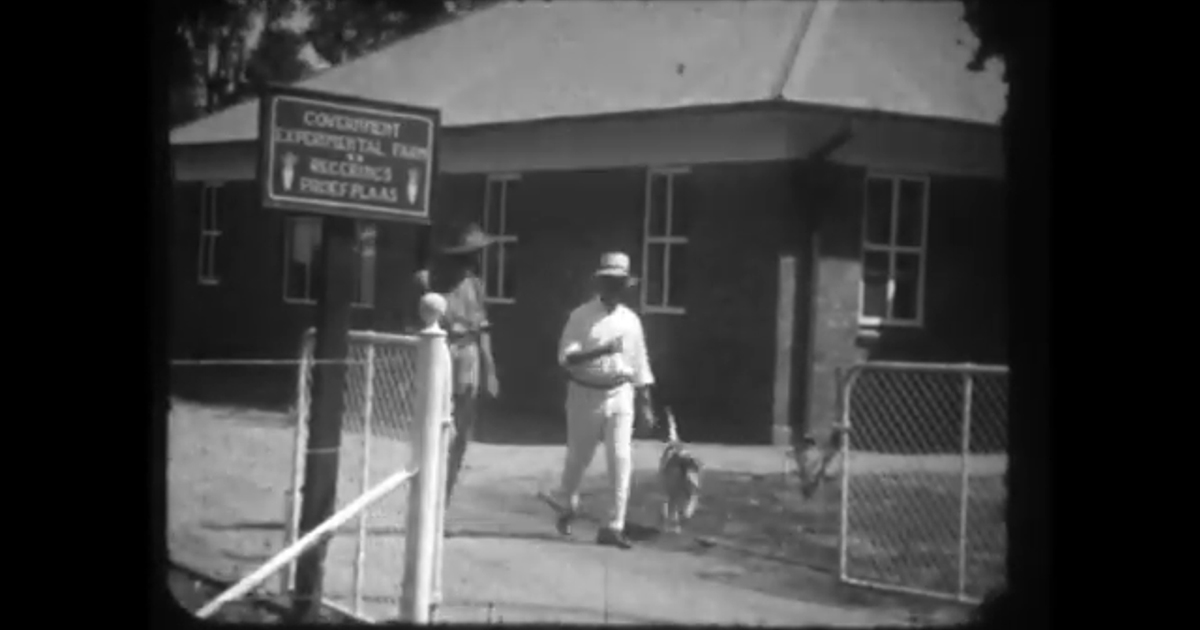 |
|
Oom Willem and Tannie Jo also visited Onderstepoort. The first clue comes when a signboard reads “Government Experimental Farm”. |
The Onderstepoort Veterinary Institute was officially established in 1908 under Swiss-born veterinarian Arnold Theiler, who saw the urgent need for a dedicated facility to combat livestock diseases crippling the country’s agricultural economy.
The stylish main building, designed by the Department of Public Works, was completed in 1908. It replaced an inadequate laboratory Theiler had used at Daspoort. The new bacteriological laboratory was built on the farm De Onderstepoort, 11 km north of Church Square in Pretoria.
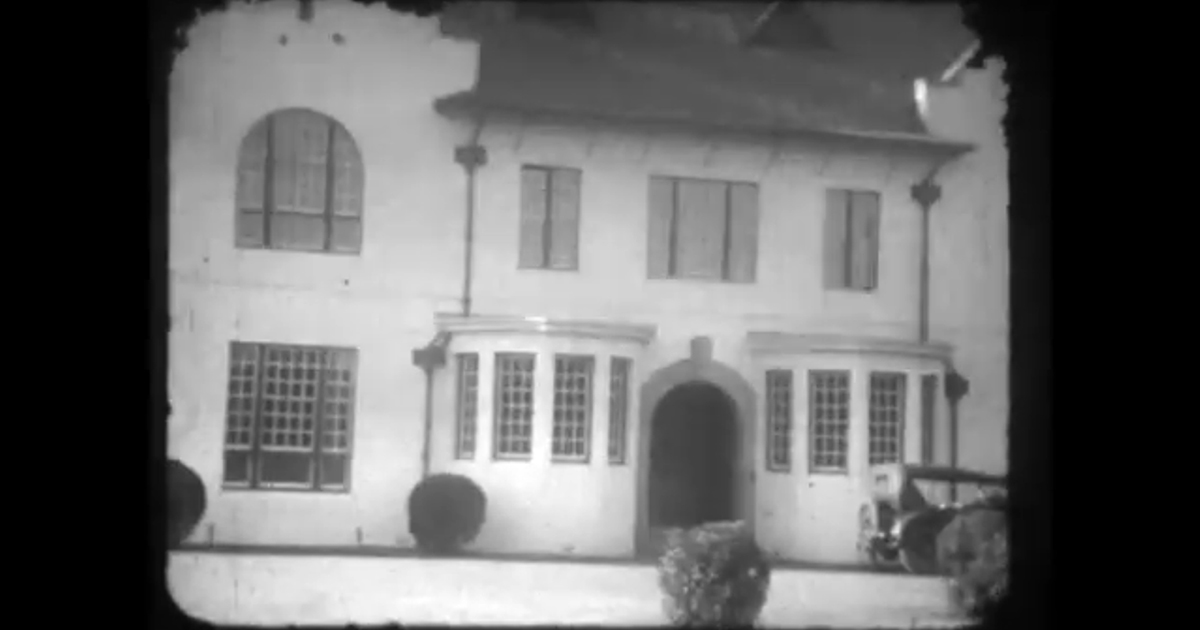 |
|
The stylish main building, designed by the Department of Public Works, |
Onderstepoort quickly became a centre of excellence in veterinary research and tropical disease studies. The institute focused on combating endemic and epidemic livestock diseases such as rinderpest, East Coast fever, bluetongue and African horse sickness.
Under Theiler’s leadership, researchers pioneered methods and began producing vaccines and inoculations that transformed livestock-health management. A biochemistry wing was added to the main building in 1921, with further expansions in 1926 — just before Oom Willem’s visit.
By 1926, the facility was producing two million doses of anthrax vaccine annually, distributed free of charge. Each year, between three and four thousand horses were also vaccinated against horse sickness.
The question of training veterinarians in South Africa was often raised, but only realised in 1920. Theiler was appointed Director of Veterinary Education and Research, becoming the first Dean when students enrolled for a veterinary science degree at Onderstepoort under the Transvaal University College. New teaching facilities opened in 1921, with the first residence completed in 1924. The first South African-trained veterinarians graduated that year.
But the visit to Onderstepoort was not all work and no play. At 08:26, Oom Willem films an exhibition of cattle. At first we thought this might be the Rand Easter Show, as in last week’s episode, but the evidence may suggest otherwise.
The more rural setting, with long pavilion-style buildings featuring high-pitched roofs, corrugated iron sheeting and simple gable ends, resembles early Onderstepoort architecture. The layout also points to Onderstepoort: broad grass rings and yard fencing designed for livestock judging, unlike the denser exhibition grounds at Milner Park, home of the Rand Easter Show.
The crowds are large, but the focus is almost entirely on livestock judging — particularly cattle. By contrast, the Rand Easter Show of that era featured military parades, machinery, industry and consumer exhibitions in large halls. The attire here — white coats, boots and hats — along with the structured judging rings, suggests breed society or veterinary institute–organised competitions.
One curious detail is the Castle Lager stall. The beer, first brewed by Englishman Charles Glass in Johannesburg in 1895 to quench the thirst of gold prospectors, was an immediate success. It led to the founding of Castle Brewery, later South African Breweries (SAB).
At 13:00, the camera turns to one of Oom Willem’s other great passions — dogs. Tante Jo is seen inspecting various breeds, each kept in spacious cages. This further supports the view that the show was held at Onderstepoort and not in Johannesburg.
But we could find no evidence that major agricultural shows were staged at Onderstepoort. We scrutinised the annual reports of the late 1920s and several history books, but found no record of such events, nor of pavilions built to accommodate visitors.
For now, we must assume the footage was taken at the Rand Easter Show in Milner Park. The Pretoria Show only started around 1930. The footage also places Oom Willem in Gauteng, which means it could not have been filmed at the Pietermaritzburg or Cape Town agricultural shows.
At the 13:36 mark, the film jumps from Onderstepoort to what appears to be miners enjoying some traditional dances. The footage suggests that it should have been part of the mining sequence at the beginning of the reel, which may have been spliced incorrectly at a later stage. The mining industry on the Witwatersrand relied heavily on black workers, who were employed under restrictive and exploitative contracts. The footage could have been taken at a labour camp. Workers were often recruited from rural areas across South Africa and even neighbouring territories. In the footage, a large group of men can be seen performing what looks like the tshikona dance.
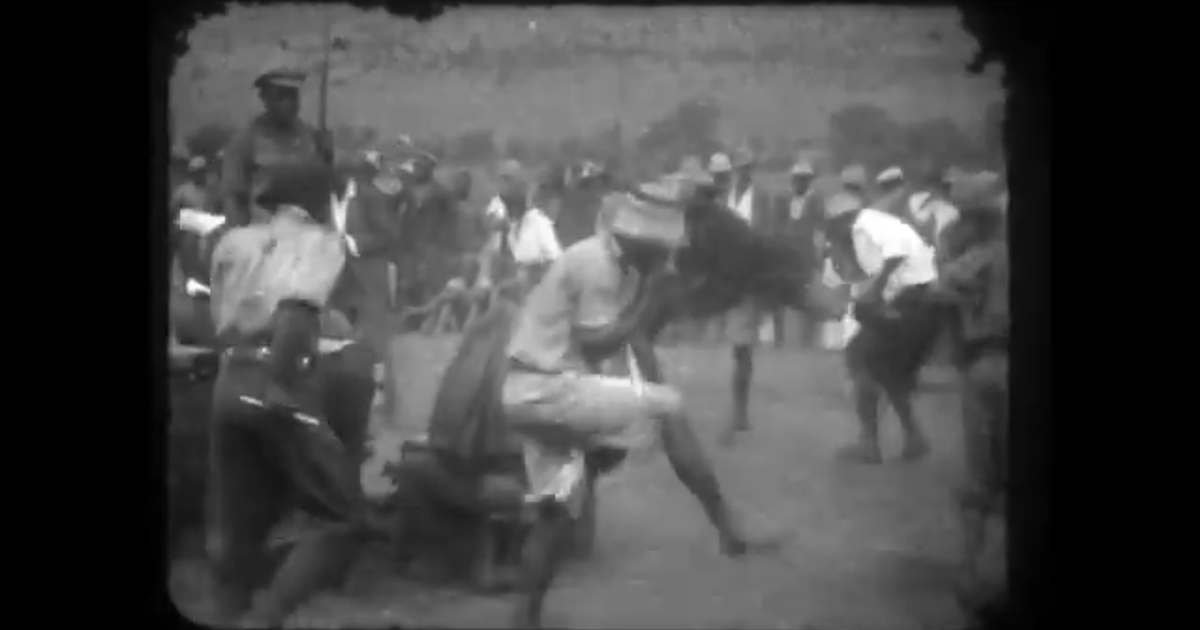 |
|
The group of men seen performing what looks like the tshikona dance. |
Tshikona is one of the most important and sacred traditional dances of the Venda people (Vhavenda) of Limpopo. It is sometimes referred to as the “Venda royal dance” because of its strong cultural and political significance. The almost 100-year-old footage could well have served as a prelude to Oom Willem’s later settling on his farm in the Levubu area.
Viewed: 1963

Andries van Zyl
Andries joined the Zoutpansberger and Limpopo Mirror in April 1993 as a darkroom assistant. Within a couple of months he moved over to the production side of the newspaper and eventually doubled as a reporter. In 1995 he left the newspaper group and travelled overseas for a couple of months. In 1996, Andries rejoined the Zoutpansberger as a reporter. In August 2002, he was appointed as News Editor of the Zoutpansberger, a position he holds until today.
Most Read Articles
Sponsored Content
Recent Headlines