

ADVERTISEMENT:

Search for a story:
The State House (also called the Kaiserliche Bezirksamt or Imperial District Office during colonial times) is one of Swakopmund’s most prominent historic buildings.
WATCH: Oom Willem takes a trip into the Namib Desert (Part 1)
Date: 30 August 2025 By: Andries van Zyl
Episode 13 of Oom Willem van den Berg’s travels really delivered a treasure trove of interesting places, albeit that the film jumps around a bit. This does not, however, refer to the old 16 mm film running through the projector, but rather to the difficulty of keeping track of where Oom Willem and Tante Jo were and where they went.
It is clear that Oom Willem may have been a little confused when splicing this particular film reel together. That said, he did not have the luxury, almost 100 years ago, of digital time stamps on the film to help him edit it afterwards. The reel jumps from scenes in Spain to travels in Namibia, then on to Cape Town, only to return again to Namibia. Nonetheless, the film remains fascinating viewing. Specific events depicted indicate that it was filmed in 1929.
Episode 13 starts with street views of Plaza de Santa Ana (Santa Ana Square) in Spain. In Episode 12, Oom Willem is seen visiting Lisbon, Portugal, and it seems that this visit to Spain formed part of that trip, although it was placed on a different reel.
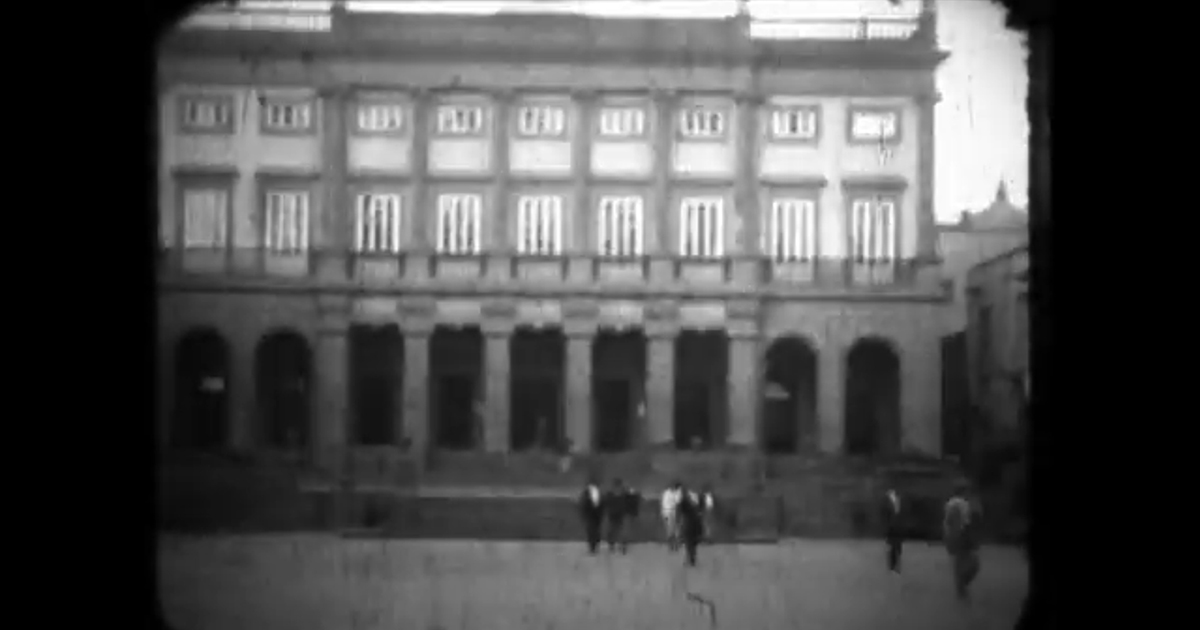
We know it was Spain because, at the nine-second mark, the imposing Ayuntamiento de Las Palmas de Gran Canaria (Las Palmas de Gran Canaria City Hall), located on Plaza de Santa Ana in the Canary Islands, comes into frame first.
 |
|
Ayuntamiento de Las Palmas de Gran Canaria (Las Palmas de Gran Canaria City Hall), located on Plaza de Santa Ana in the Canary Islands. |
From there, it’s back to the boat, with passengers again enjoying some deck games. Episode 12 featured similar deck games, possibly on board the same cruise ship, the SS Rotterdam, which we wrote about last week. The action also includes “pillow” fights over a swimming pool.
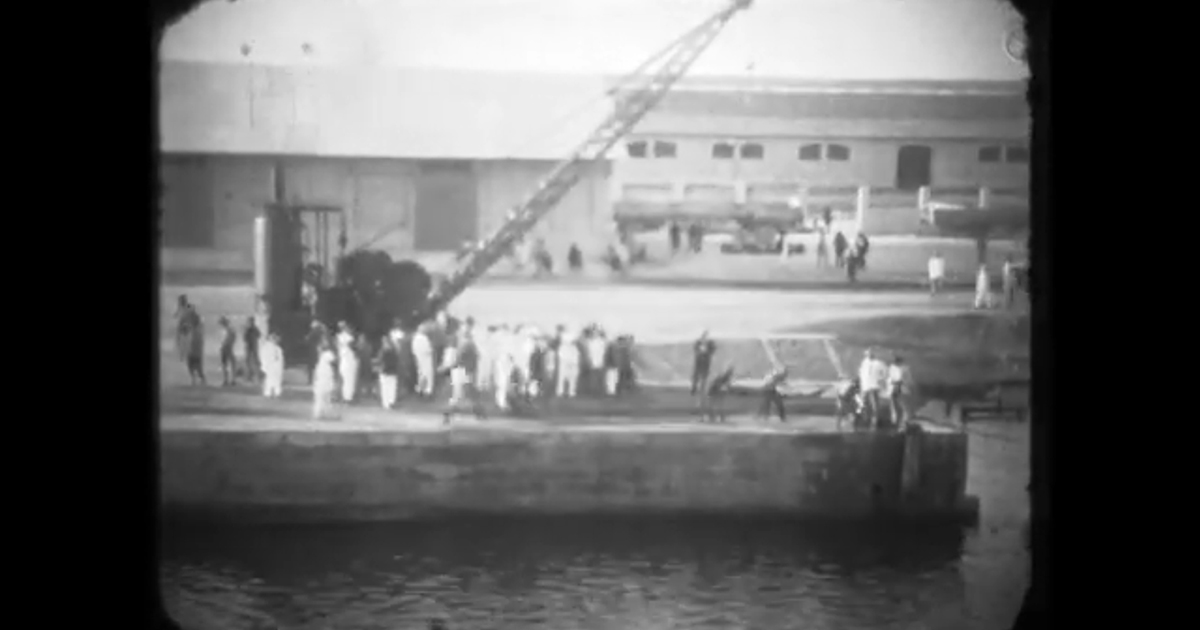
One minute and 45 seconds into the film, Oom Willem is seen entering a harbour identified as Walvis Bay harbour in present-day Namibia. (We would like to give special acknowledgement to Sonia Grunschloss from Walvis Bay and Johann Colesky from Swakopmund for assisting the newspaper in identifying some of the Namibian landmarks highlighted in Episode 13).
 |
|
A screenshot of Walvis Bay harbour filmed during Oom Willem’s visit to the then South West Africa (Namibia today) in the late 1920s. |
After departing their cruise ship (2:43), Oom Willem and friends take to the salty streets of Walvis Bay. As Namibia’s main harbour town, it has a history shaped by its strategic deep-water port. First noted by Portuguese explorers in the 15th century, it later fell under Dutch, then British control in 1797, and was annexed to the Cape Colony in 1878. Unlike the rest of Namibia, which became German South West Africa, Walvis Bay remained under British, and later South African, administration, creating a long-standing enclave. Even after Namibia gained independence in 1990, South Africa held onto Walvis Bay until 1994, when sovereignty was finally transferred. Today, it stands as the country’s busiest port and a hub for fishing, salt production, and trade.
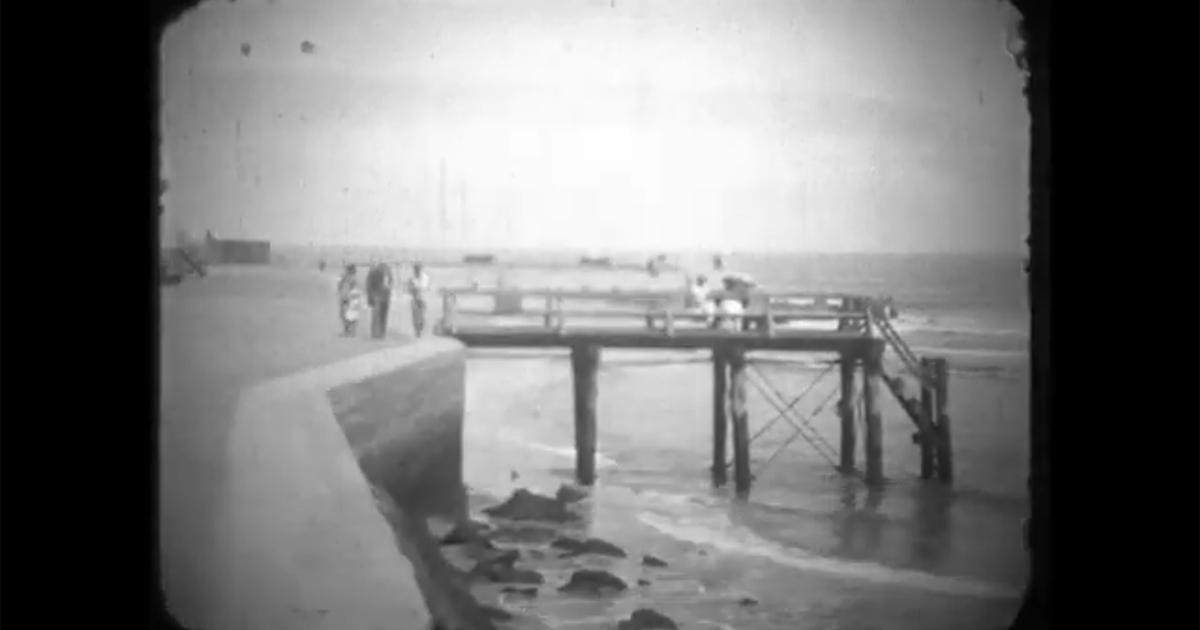
Oom Willem and friends also visit Swakopmund, some 35 km from Walvis Bay, while cargo from their cruise ship is offloaded (3:40). Interestingly, Swakopmund used to have its own harbour, which ceased to exist in 1915 when the harbour moved to Walvis Bay. Viewers get a glimpse of “Die Mole” (breakwater for the old harbour - 4:43) in Swakopmund, which even then, as today, is a popular tourist site where holidaymakers can enjoy a swim. And swim they did, as can be seen in the film, with two dogs also playfully enjoying the beach. There is also a brief glimpse of the very famous Swakopmund jetty, today a popular tourist walkway.
 |
|
Swakopmund was founded in 1892 by the Germans as a makeshift port, using artificial structures such as the “Die Mole” (a breakwater) still there today. |
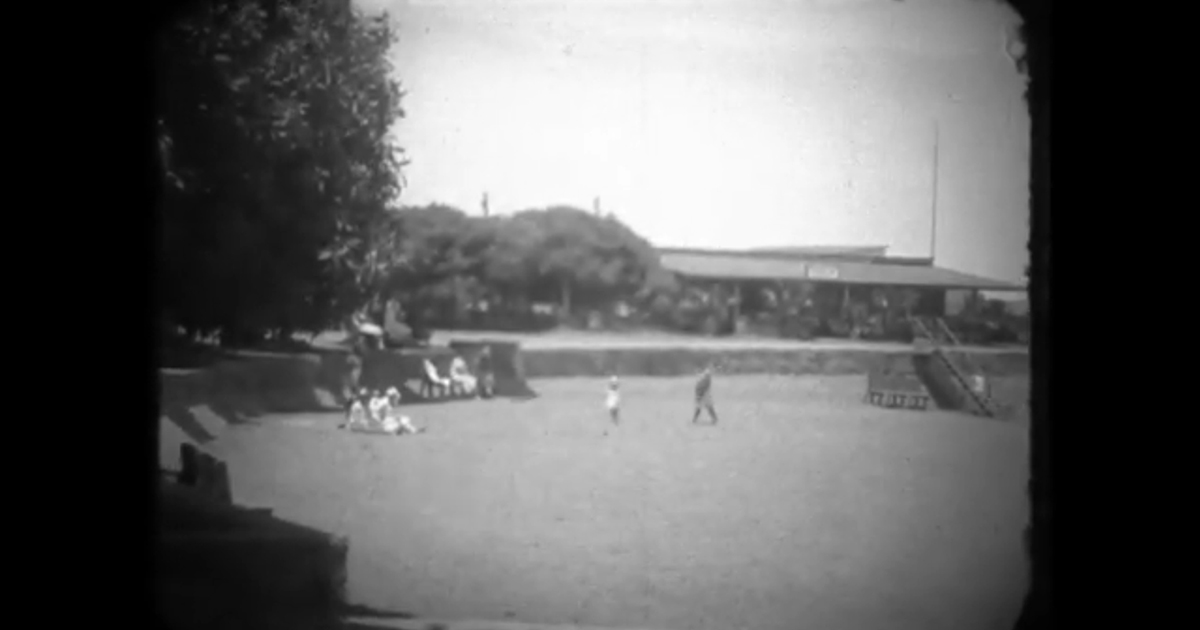 |
|
“Die Mole” in the late 1920s. Today it no longer functions as a harbour but has become one of Swakopmund’s most popular recreational areas. |
Oom Willem also films one of Swakopmund’s most iconic monuments, the Marine Memorial (5:51), and buildings such as the State House (5:54), sometimes called the Kaiserliche Bezirksamt, or Imperial District Office, during colonial times.
The Marine Memorial (Marine-Denkmal) is one of Namibia’s best-known colonial monuments. Erected in 1908 by the German colonial government to honour German marines (Seebataillon) who died during the colonial wars, particularly the Herero and Nama uprisings (1904–1907), the bronze statue, designed by sculptor Adolf Kürle, depicts a German marine standing with a rifle, commemorating those who lost their lives in service of the empire.
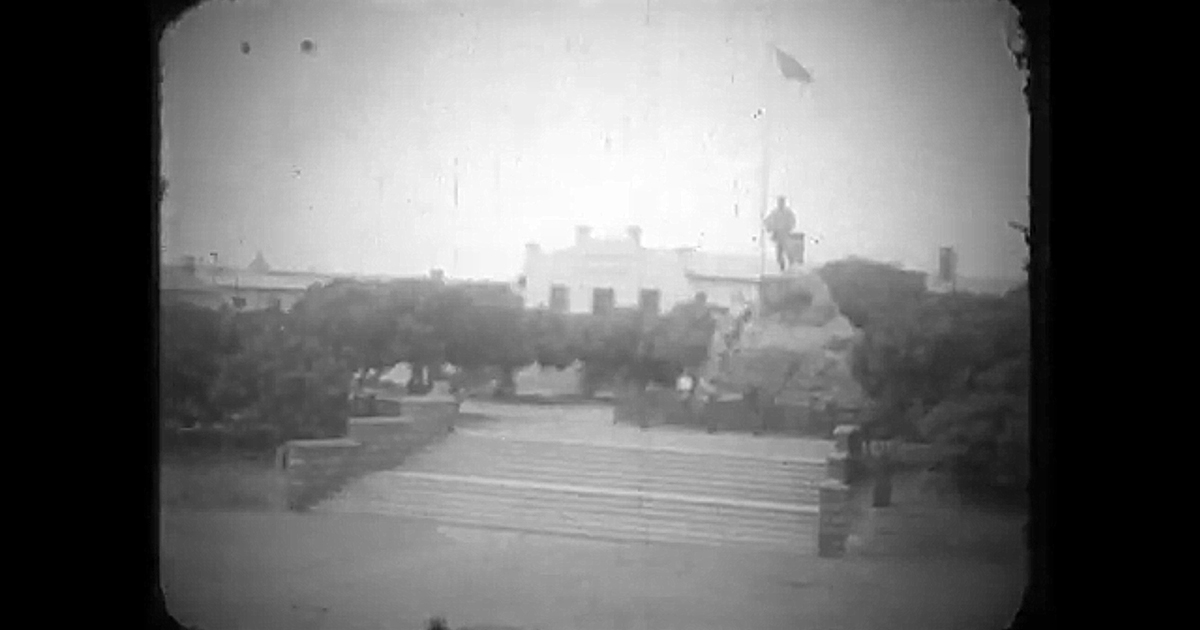 |
|
The Marine Memorial in Swakopmund remains one of Namibia’s |
For decades, the memorial symbolised German colonial power. After Namibia’s independence in 1990, many debated whether it should remain, given its association with colonial oppression and the genocide of the Herero and Nama peoples. While some colonial monuments were relocated, the Marine Memorial still stands in central Swakopmund, across from the Swakopmund Museum, and today is regarded both as a historic landmark and a controversial reminder of the country’s colonial past.
The State House was constructed by the German colonial administration around 1901 to house the governor’s offices and serve as the administrative headquarters for German South West Africa. The building was designed in a striking German colonial style, similar to many other buildings in Swakopmund, with a clock tower, arched windows, and ornate details that still make it an architectural landmark.
After Germany lost control of the territory in 1915, the building continued to be used by the South African administration and later by Namibian authorities after independence in 1990. Today, it remains an important government and ceremonial building, occasionally hosting official functions.
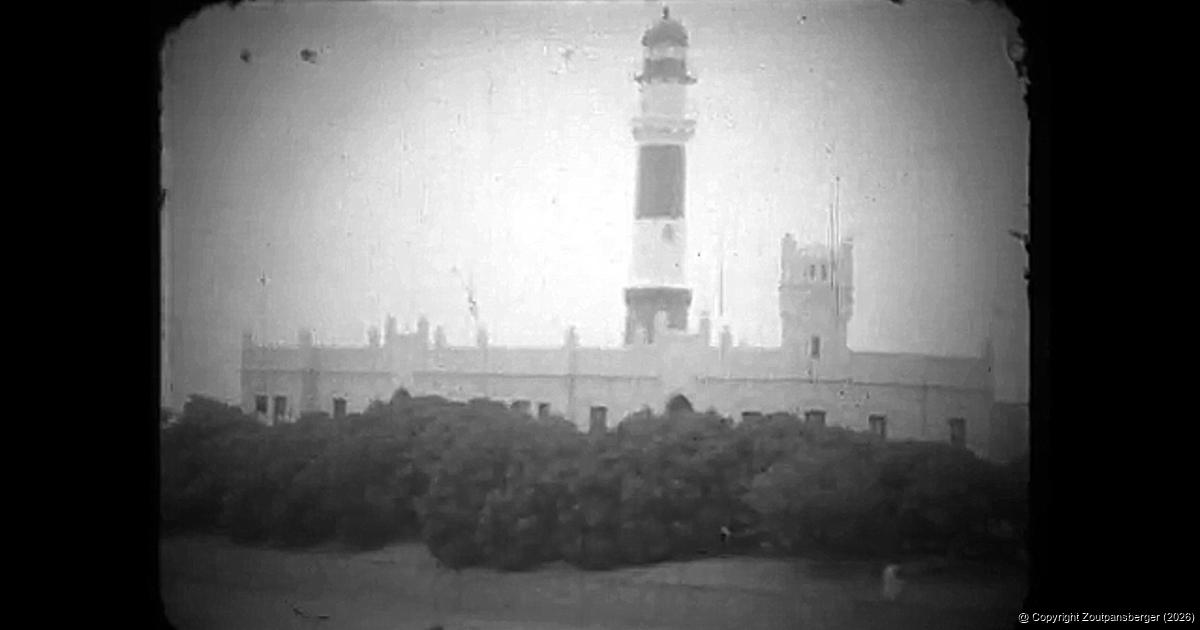
Right behind the State House, the Swakopmund Lighthouse can be seen. It remains one of the town’s most recognisable landmarks. First built in 1902 by the German colonial authorities to guide ships along Namibia’s often treacherous coastline, it was originally only 11 metres high and was later extended in 1910 to its current height of 28 metres. Painted in its distinctive red-and-white bands, the lighthouse is still operational today and plays a vital role in coastal navigation. Situated next to the State House and close to Die Mole, it also serves as a popular attraction for visitors, offering panoramic views over Swakopmund and the Atlantic Ocean.
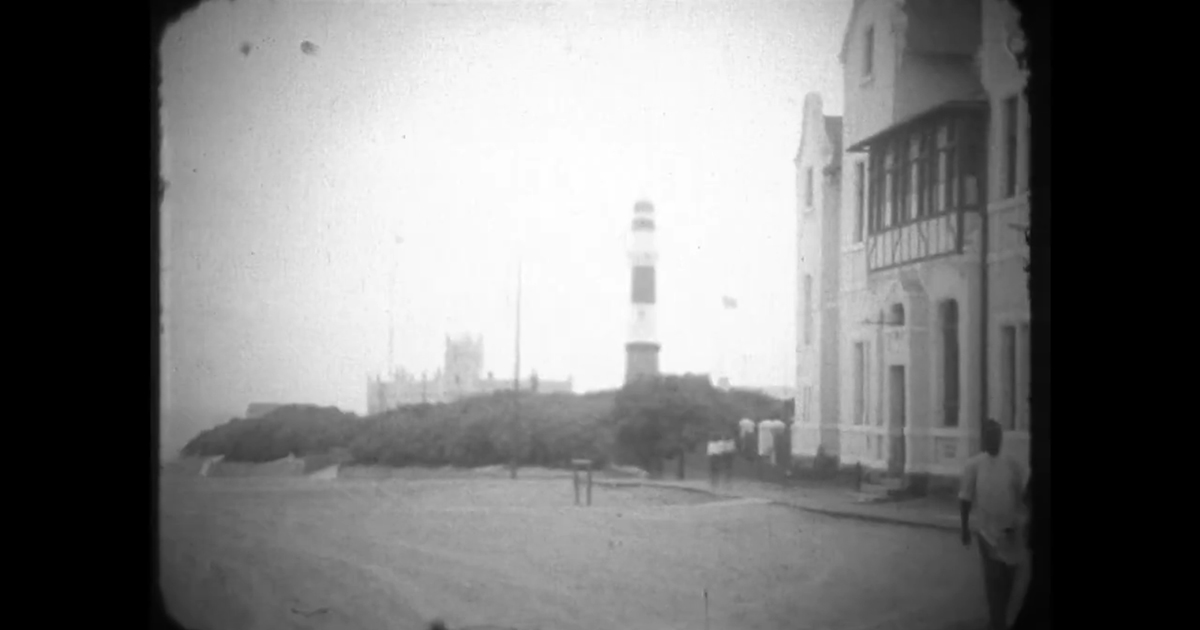 |
|
Until today, the Swakopmund Lighthouse remains one of the town’s |
A visit is also paid to what many may consider one of Africa’s most beautiful former railway stations, the Swakopmund railway station (6:24). Built in 1901 in neo-Renaissance style, it no longer functions as a train station. Today, this historic and nationally protected building serves as a luxury hotel and entertainment centre, complete with a casino. Known as the Swakopmund Hotel & Entertainment Centre, this grand railway terminal has been repurposed to welcome guests, continuing to be a prominent landmark in Swakopmund. When it still served as a railway terminal, it connected Swakopmund to the inland capital, Windhoek.
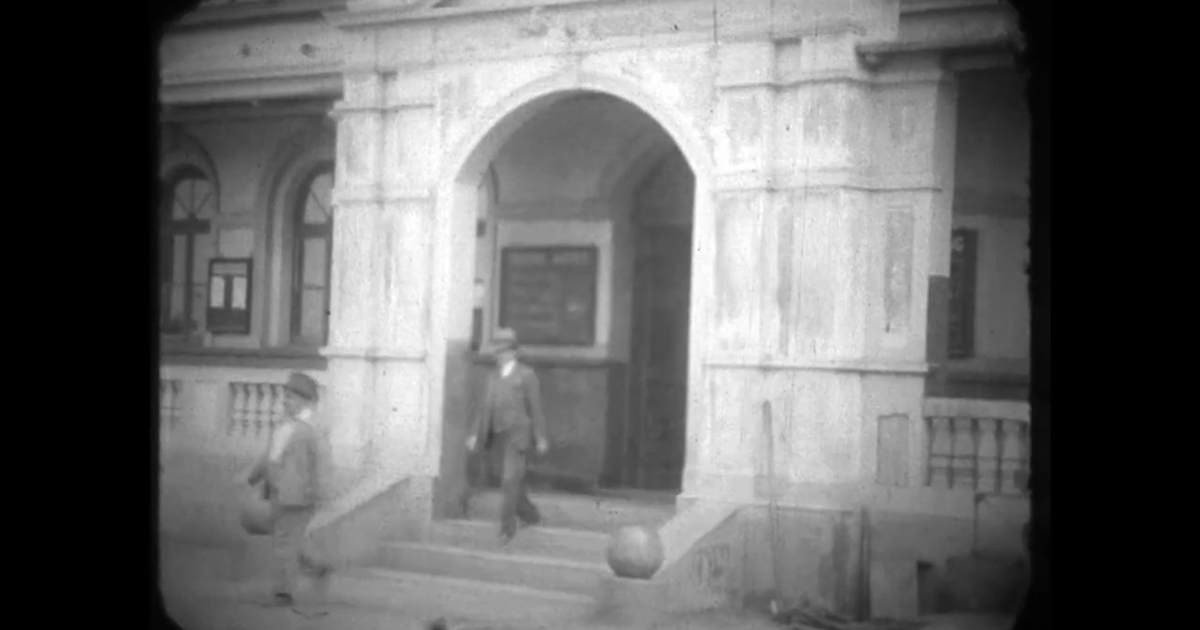 |
|
Built in 1901, the Swakopmund train station today functions as a luxury hotel and entertainment centre, complete with a casino. |
From the 6:40 mark, viewers get a glimpse of the ethnic and cultural diversity of old South West Africa. Back at the harbour, Oom Willem captures people embarking and disembarking from cruise ships. A couple of nuns are also seen, reflecting Namibia’s long history with the Roman Catholic Church. Catholic missionaries first arrived in Namibia in the 1880s.
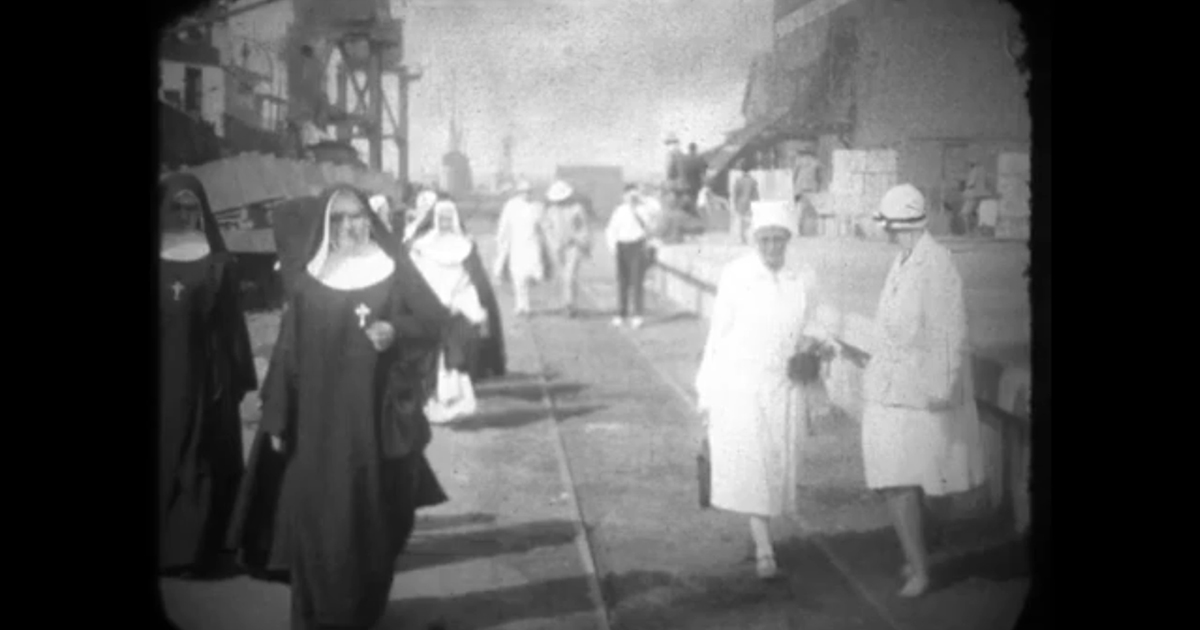 |
|
Back at Walvis Bay harbour, Oom Willem captures a bit of Namibia’s cultural |
For now, we must pause Oom Willem’s trip for this week—there is just too much to tell. We will continue Part 2 of Episode 13 next week, when Oom Willem pays a brief visit to Lüderitz, after which they go to Cape Town, with a brief “flashback” to Namibia.
Viewed: 2118

Andries van Zyl
Andries joined the Zoutpansberger and Limpopo Mirror in April 1993 as a darkroom assistant. Within a couple of months he moved over to the production side of the newspaper and eventually doubled as a reporter. In 1995 he left the newspaper group and travelled overseas for a couple of months. In 1996, Andries rejoined the Zoutpansberger as a reporter. In August 2002, he was appointed as News Editor of the Zoutpansberger, a position he holds until today.
Most Read Articles
Sponsored Content
Recent Headlines