

ADVERTISEMENT:

Search for a story:
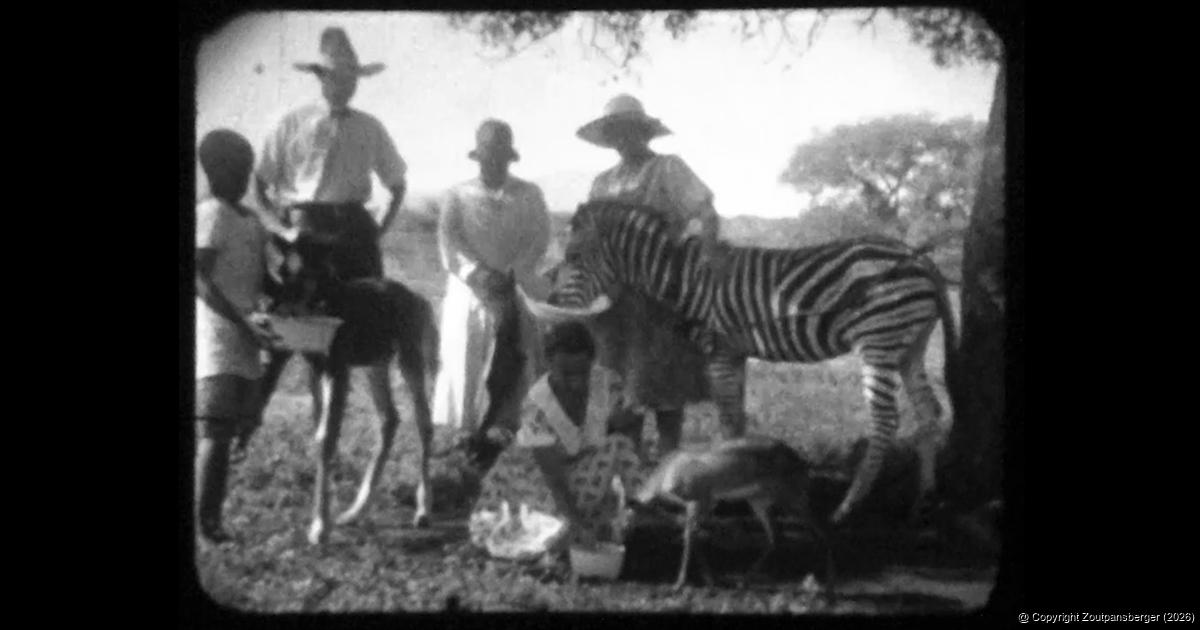
Oom Willem and his companions are seen interacting with local wildlife such as steenbok and even a young zebra. The animals are clearly tame, allowing people to hand-feed them.
Watch: Was this Oom Willem’s first introduction to the Bushveld?
Date: 02 August 2025 By: Andries van Zyl
This week, we pick up Oom Willem’s trail in what appears to be his first visit to the Bushveld. In Episode 9 of his digitised 16 mm film, we see him visiting either friends or family on a farm, seemingly in the Mokopane area, around the late 1920s or early 1930s. The film contains no distinguishing landmarks by which one can definitively determine where it was taken, but the almost 100-year-old labelling on the 16 mm reel does offer some clues.
Struggling to determine the location, we once again called on the help of our “resident” self-employed archivist, cultural historian, and heritage specialist Pétria de Vaal. She has a knack for deciphering words that most people would find illegible. She was quick to point out that the labelling contained the words “Zwerverskraal. P.P. Rust” and what appears to be the name “Welgevonden”. Being almost 100 years old, the ink in the wording has faded dramatically.
With Episode 9 mainly depicting farm life in the early 1920s or 1930s, it was initially thought that Oom Willem might have filmed life on the farm Wintersvlei in the Orange Free State. After obtaining a diploma from an agricultural college in England, Oom Willem made his way from Holland to South Africa in 1926. He first went to a large cattle ranch in the Western Transvaal, owned by a Norwegian company, where he worked for about nine months. He then heard about two Dutchmen who had a farm in the Free State and were breeding Afrikaner cattle. He ended up working on their farm, Wintersvlei, for about two years. It was also in the Free State where Oom Willem met his wife, Tannie Jo, before eventually settling on their farm in the Levubu area—near where present-day Shiluvari Lakeside Lodge is situated on the banks of the Albasini Dam.
But back to Episode 9 and why we believe it was likely filmed in the Mokopane area, formerly known as Potgietersrus. It turns out that “P.P. Rust” was a commonly used abbreviation for “Piet Potgietersrust”, the town named in 1858 in honour of the Boer leader and Voortrekker Piet Potgieter. The name was later shortened to Potgietersrus, although the exact date of this change is unclear. In 2003, the town’s name was changed to Mokopane.
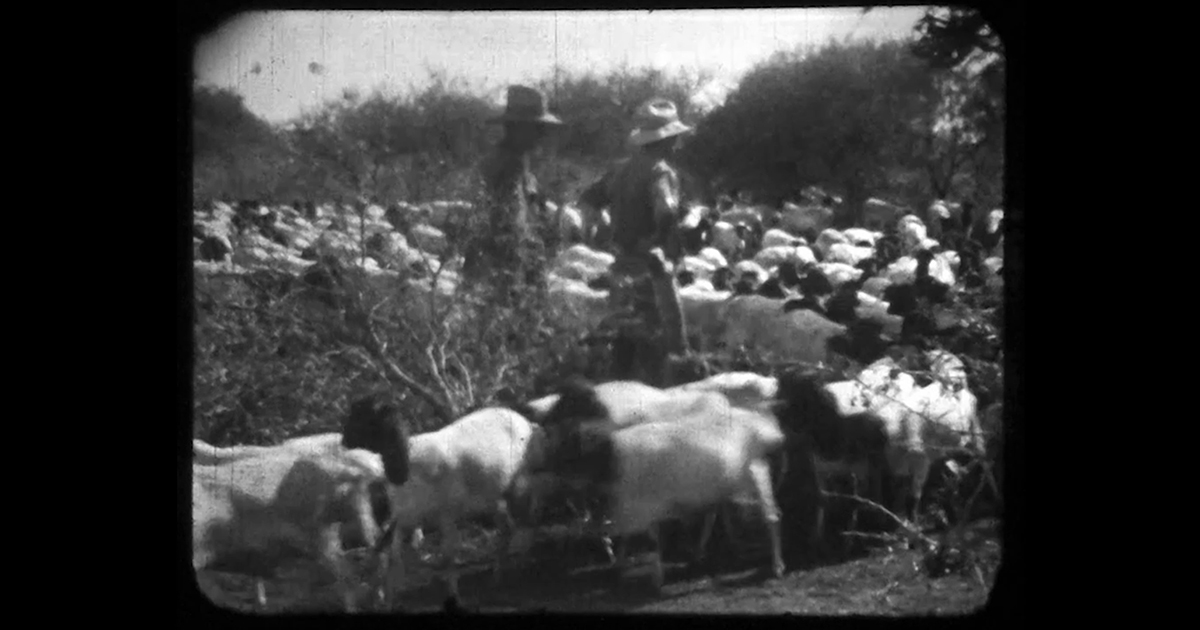
Another clue to the possible location is the name Zwerverskraal. It turns out there was indeed a well-known farm by that name in the Potgietersrus area during that time, owned by Friedrich Wilhelm Neethling (1886–1960), who farmed approximately 1,500 sheep. Much of Episode 9 is spent filming a large flock of Dorper sheep being herded into kraals. The landscape in the background throughout the film also matches the mountainous terrain of present-day Mokopane.
 |
|
Could this indeed be the farm of Friedrich Wilhelm Neethling, who farmed |
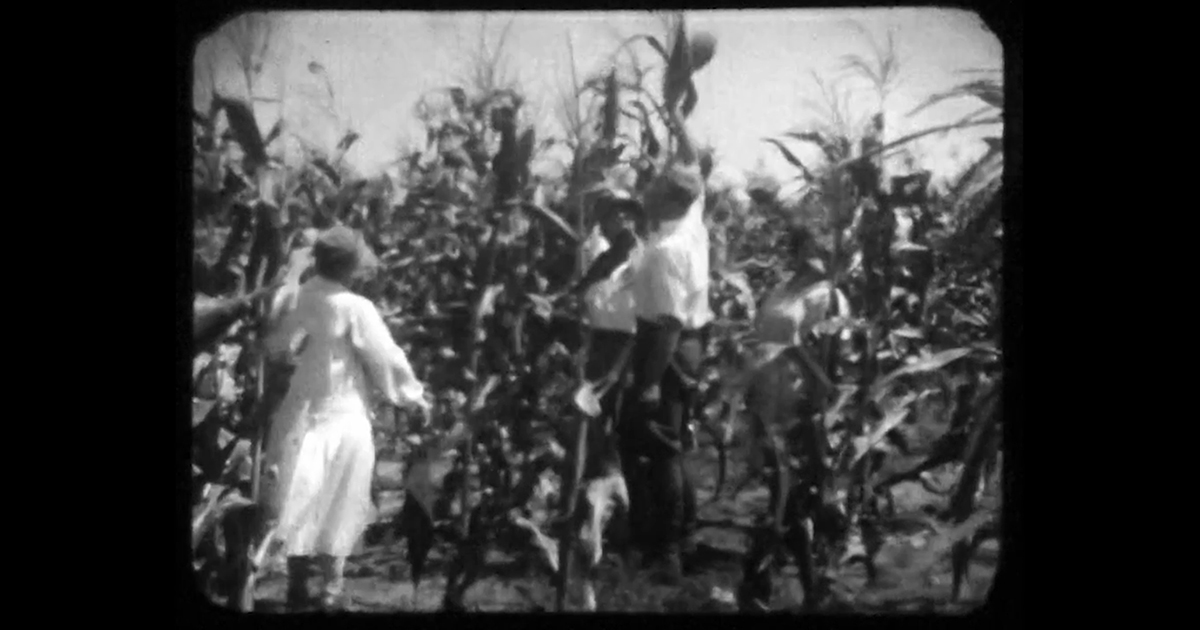
As for the film itself, Oom Willem and his companions are seen interacting with local wildlife such as steenbok and even a young zebra. The animals are clearly tame, allowing people to hand-feed them. The human-animal interaction is heart-warming. In addition to the wildlife, much time is also spent filming aspects of sheep farming—as mentioned—alongside some cattle and crop farming, with maize fields standing over six feet tall.
 |
|
It is an impressive crop, with the maize fields standing over six feet tall. |
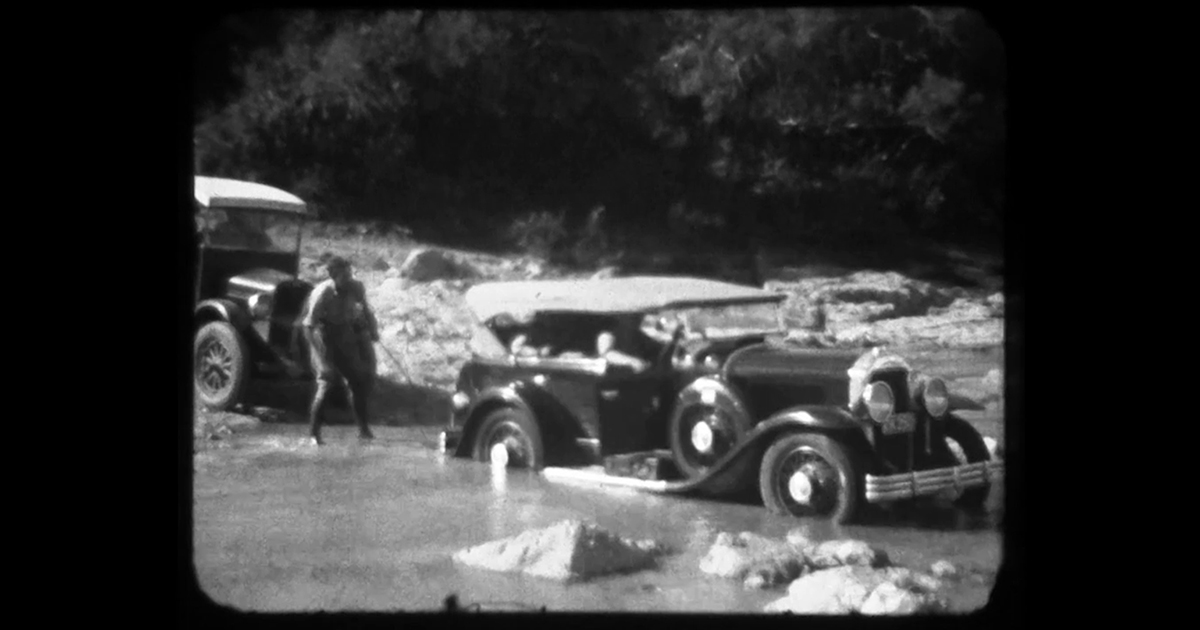
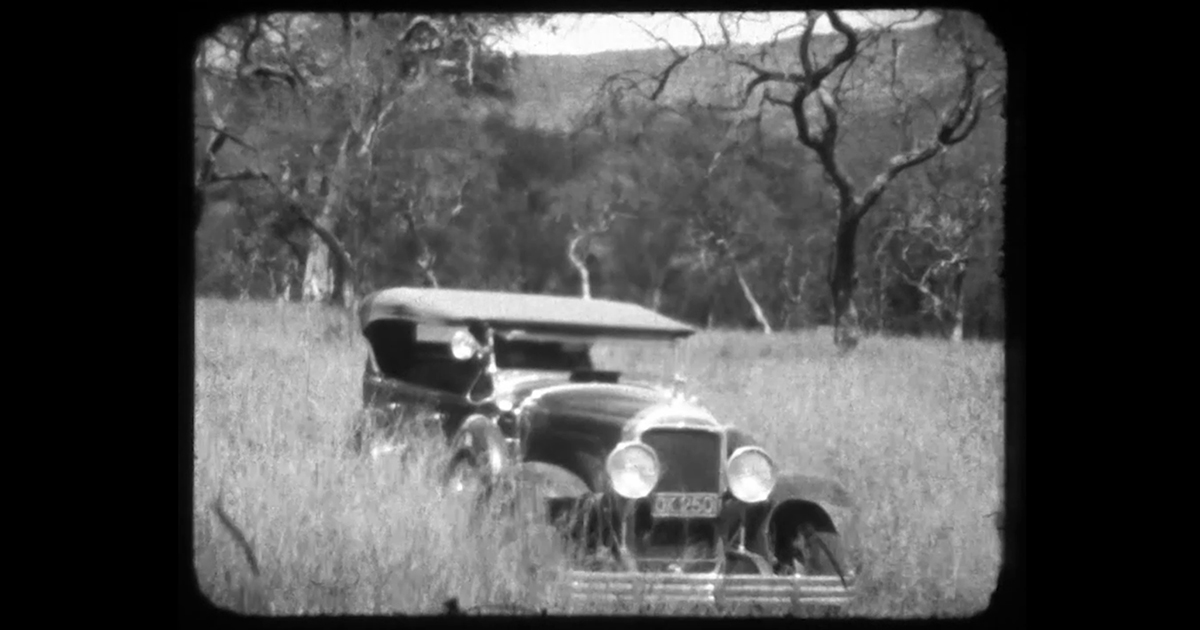
And, of course, what would one of Oom Willem’s films be without another road trip? In Episode 9, Oom Willem and friends are once again seen tackling some rugged terrain for a bit of “off-roading” in a time when tarred roads were few and far between. And what better vehicle for the task, apparently, than his trusted 1920s Buick Master Six. The car had been a gift from his father, who spent a few months in South Africa before returning to Holland and leaving the vehicle with Oom Willem.
 |
|
Oom Willem's trusted 1920s Buick Master Six, which he received from his father. |
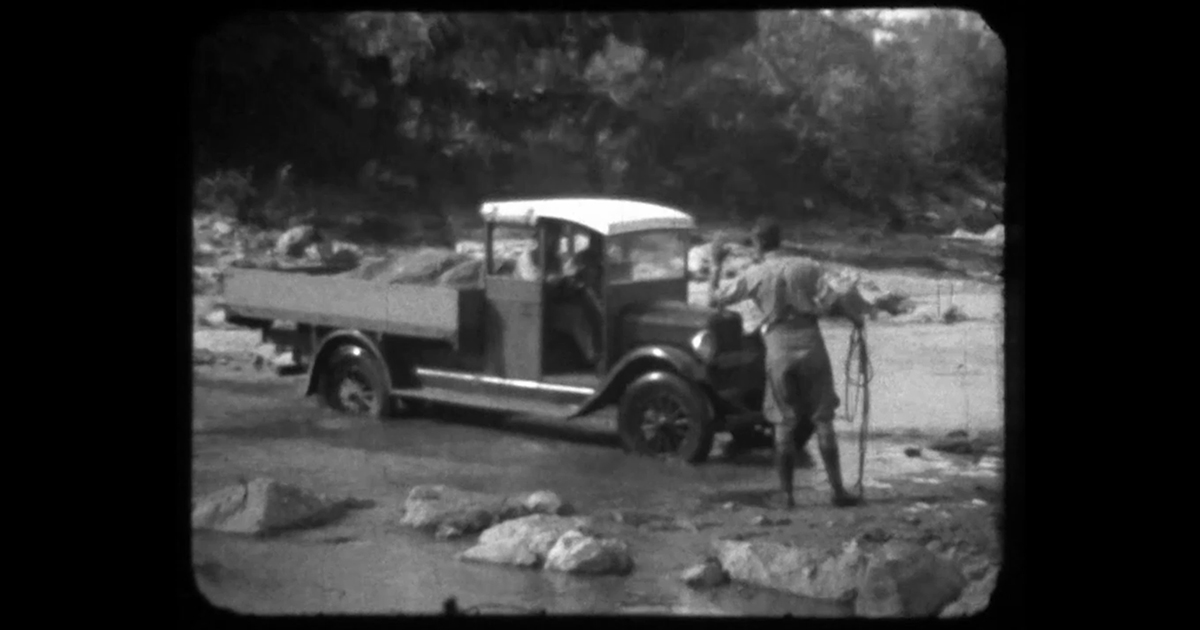
As always, the road trip was not without incident. At one point, Oom Willem is towed out of a stream after getting stuck. Doing the towing is a 1920s-era Ford Model TT—the truck version of the famous Model T, produced from 1917 to the mid-1920s. It featured a simple, boxy design with a flatbed cargo area, a separate cab with a roof, and spoked wheels. However, the Ford’s glory is short-lived; moments later, the Buick ends up having to pull the Ford out of the same stream.
 |
|
The Ford’s glory is short-lived, as it also ends up needing to be rescued. |
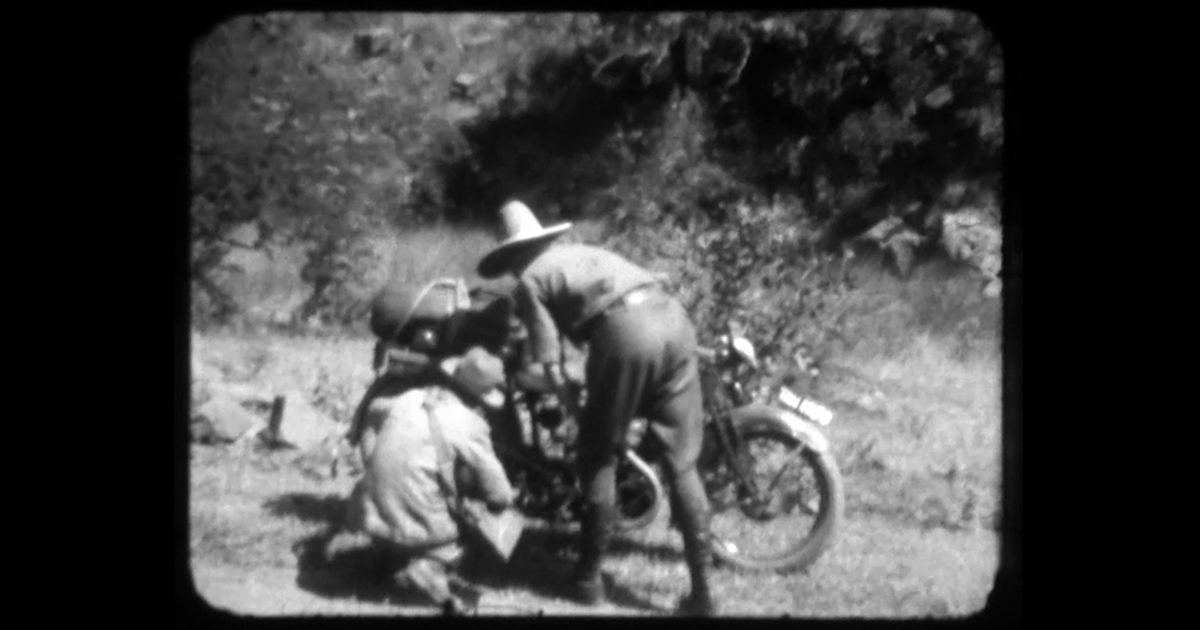
The touring party also stops to assist a motorcyclist. The registration number on the motorcycle begins with “TM”, indicating a Transvaal number plate and suggesting that Oom Willem was indeed visiting the Transvaal. As for the motorcycle, it is most likely a British-made BSA Model S or Model L, produced in the late 1920s. These bikes were very popular in South Africa. Featuring a side-valve engine, they were reliable and simple. The motorcycle in the film exhibits similar fender shapes and seating to the BSA.
 |
|
Featuring a side-valve engine, they were reliable and simple. The motorcycle in the film exhibits similar fender shapes and seating to the BSA. |
From the footage, it is clear that the area is water-rich, with vast grasslands. Grassland is typical of the Mokopane area, especially in the broader Waterberg region where the town is located. The region includes extensive grass-dominated landscapes, including grassy floodplains such as the Nyl River floodplain near Mokopane—one of the largest in South Africa. These grasslands typically occur in flat to gently undulating terrain and support a species-rich mix of savanna and grassland vegetation, hosting diverse wildlife and plant life.
 |
|
The grassland is typical of the Mokopane area, especially in the broader |
The film concludes with Oom Willem capturing a few more waterways and streams.
So, where will Oom Willem head next? For a sneak peek, watch the video below:
Viewed: 2489

Andries van Zyl
Andries joined the Zoutpansberger and Limpopo Mirror in April 1993 as a darkroom assistant. Within a couple of months he moved over to the production side of the newspaper and eventually doubled as a reporter. In 1995 he left the newspaper group and travelled overseas for a couple of months. In 1996, Andries rejoined the Zoutpansberger as a reporter. In August 2002, he was appointed as News Editor of the Zoutpansberger, a position he holds until today.
Most Read Articles
Sponsored Content
Recent Headlines