

ADVERTISEMENT:

Search for a story:
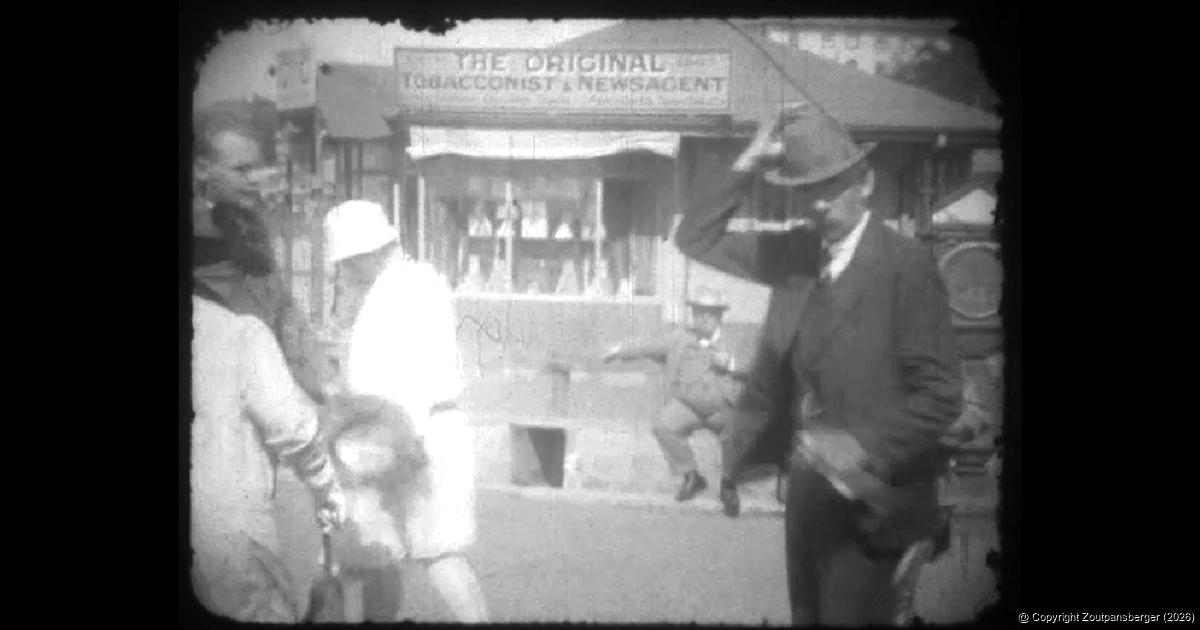
The Van den Berg tour party is seen enjoying the sunshine on the Durban beachfront and relaxing—even paying a visit to local beachfront stalls.
Watch: Oom Willem heads southeast, all the way down to Durban
Date: 19 July 2025 By: Andries van Zyl
In this eighth episode of Oom Willem van den Berg’s travels, we continue to recap his journey through South Africa, which he captured on 16mm film. The footage offers a truly unique and fascinating glimpse into the country’s history, and it seems that this time Oom Willem travelled from Standerton—where he first farmed just before moving to Levubu in the early 1930s—all the way down to Durban.
This time, we were somewhat “bowled out” by Oom Willem’s film and had to call on the expertise of a few more knowledgeable history buffs to help identify some of the landmarks featured. Among these were Louis Eksteen, who studied Cultural and Art History, as well as Museum and Heritage Studies at the University of Pretoria. He has worked in the archive, library and museum sector for the past 30 years in KwaZulu-Natal and has published works in the fields of cemeteries, battlefields and community histories. Also assisting was Alex Verhagen, an architect based in Durban with a special interest in heritage sites and buildings. We also asked our own Pétria de Vaal to lend a hand. She is a self-employed archivist, records manager, cultural historian and heritage specialist. Pétria is currently pursuing her Master’s Degree in History and Heritage Studies at the University of Pretoria.
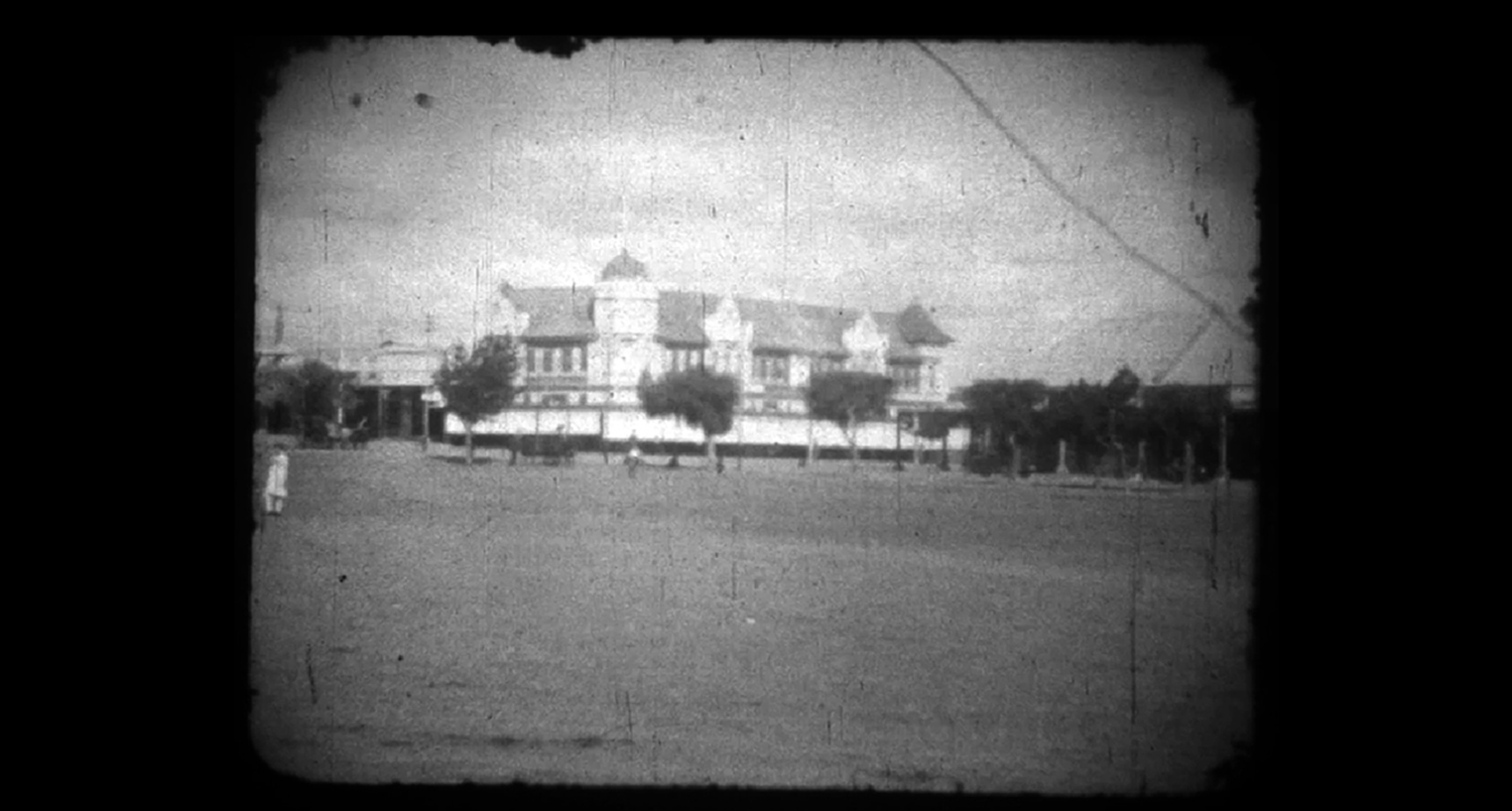
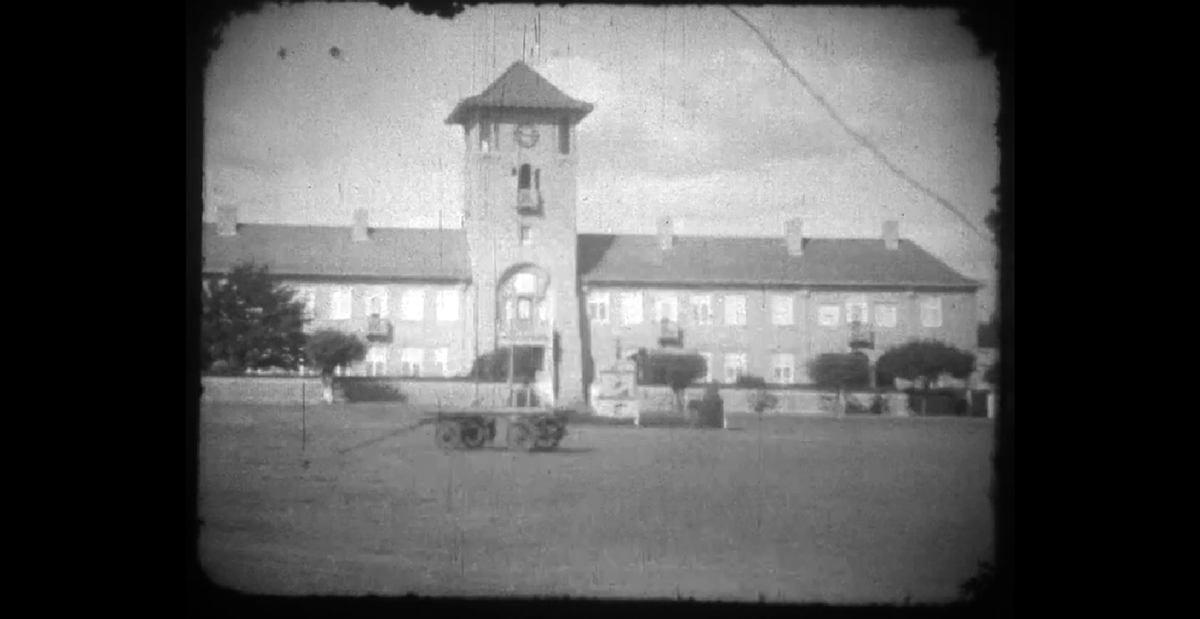
Early on in the film, and before the assistance of Pétria, Louis and Alex, we found ourselves stumped. At the 11- and 18-second marks, Oom Willem filmed two imposing buildings, and just before and after this, we see what appears to be a Voortrekker saamtrek (gathering).
 |
|
Identified by Pétria as the old Landau & Co. shop in Standerton. The signage promised customers anything from a needle to a steam plough. |
Through some research, Pétria identified the building at the 11-second mark as the old Landau & Co. shop in Standerton. The sign above the entrance declared that one could purchase anything there—from a needle to a steam plough. The building at the 18-second mark turned out to be the present-day Magistrate’s Office in Standerton.
 |
|
The building at the 18-second mark turned out to be the present-day |
Returning to the Voortrekker gathering—Neels reckons it formed part of some kind of Majuba Day celebration. The Battle of Majuba was the last of four military clashes between Great Britain and the Boers of the Transvaal during the First War of Independence (December 1880 – March 1881). It took place on 27 February 1881. The Boers’ resounding victory—resulting in a humiliating defeat for the British—forced the British to restore the Transvaal’s independence, which had been annexed on 12 April 1877 (a violation of the Sand River Convention of 1852).
“The Voortrekker scene is undoubtedly Amajuba. From the Volksrust side, it looks completely different to the Natal side,” said Louis. He added that some of the accompanying scenery also suggests that Oom Willem was taking a tour of the Majuba area. Following the formation of the Union of South Africa in 1910, Majuba Day ceased to be an official national holiday, but it continued to be commemorated by Afrikaner communities—particularly in rural areas and by cultural organisations.
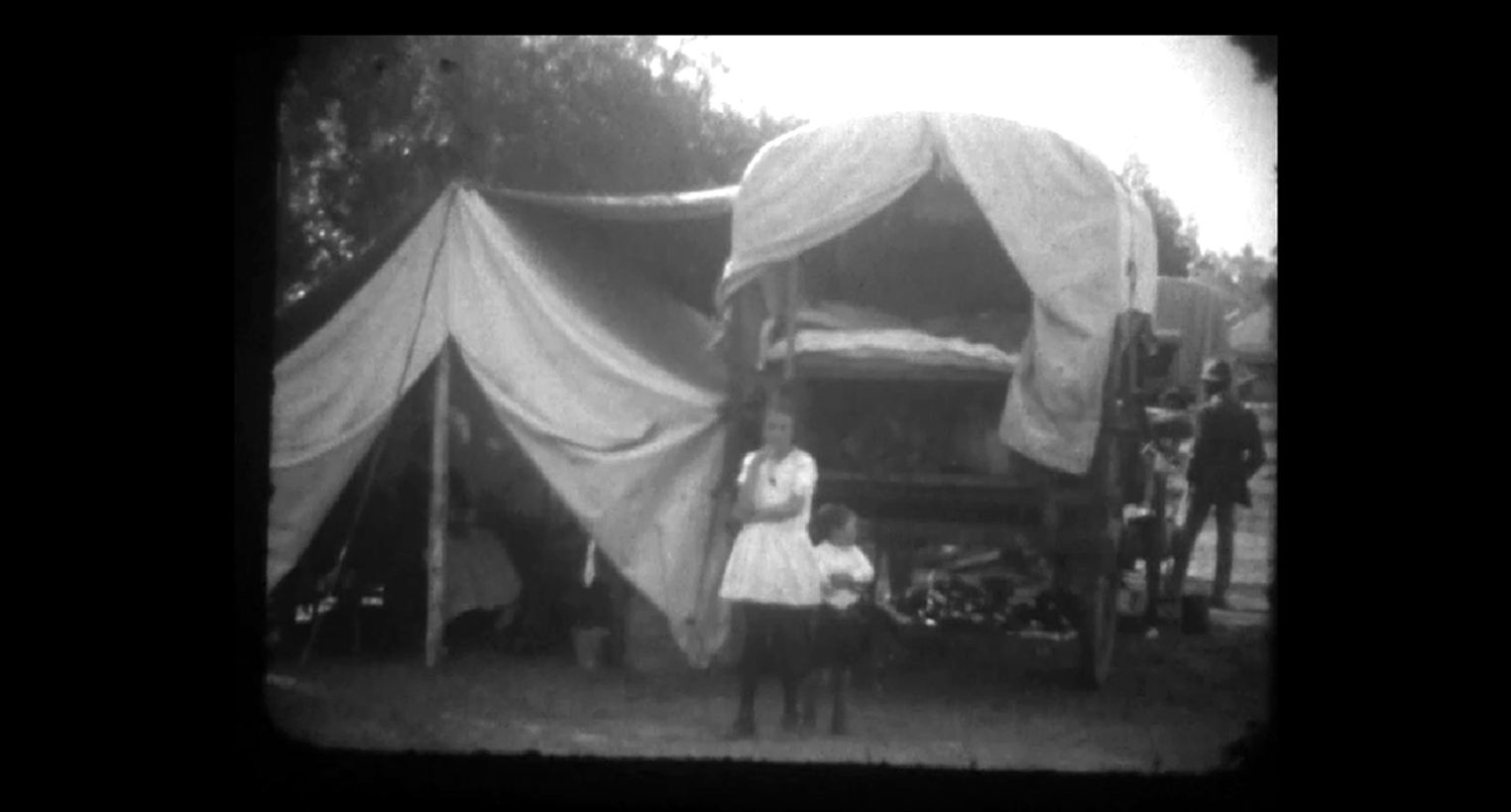 |
| A possible Majuba Day celebration. The Battle of Majuba, fought on 27 February 1881, marked the final and decisive clash in the First War of Independence between Great Britain and the Boers of the Transvaal. |
Once again, Oom Willem takes to the road in a 1925 Hudson Super Six. Snaking through rural landscapes, he is seen visiting what appears to be a homestead. It is clear that the residents are friends of his as time is spent scouting the farm (01:21 to 02:24).
Then he goes back on the road. The Hudson Super Six traverses mountainous terrain and streams. We know Oom Willem was heading to Durban, meaning he would have generally travelled southeast, covering the grasslands and escarpment of the eastern Highveld towards the KwaZulu-Natal North Coast. The journey would involve crossing several prominent rivers and at least one significant mountain pass—the Oliviershoek Pass. This is likely the pass filmed at the 03:50 mark. These crossings and the Oliviershoek Pass were vital segments of overland travel prior to modern highways, following the broad wagon and animal trails that connected the interior with Natal’s coastal settlements during the colonial and Union periods.
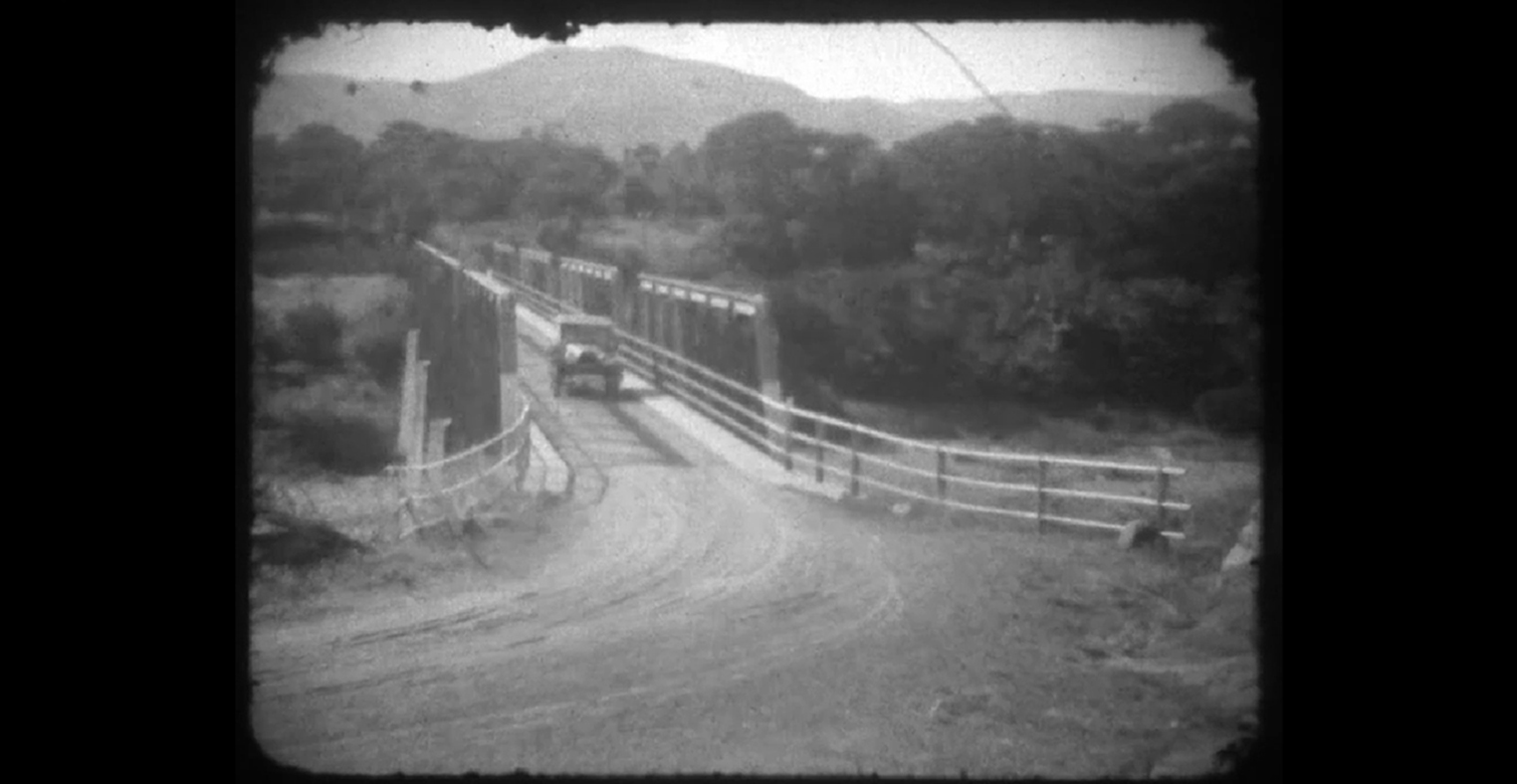
At the 04:06 mark, Oom Willem is seen crossing a beautiful steel bridge. The bridge clearly held some significance for him. According to Alex, this is most likely the steel bridge crossing the Tugela River. Shortly afterwards, Oom Willem is filmed crossing another river by pontoon (04:26), though the exact location could not be determined.
 |
|
At the 04:06 mark, Oom Willem is seen crossing what is believed to be the steel bridge over the Tugela River—clearly a significant landmark for him. |
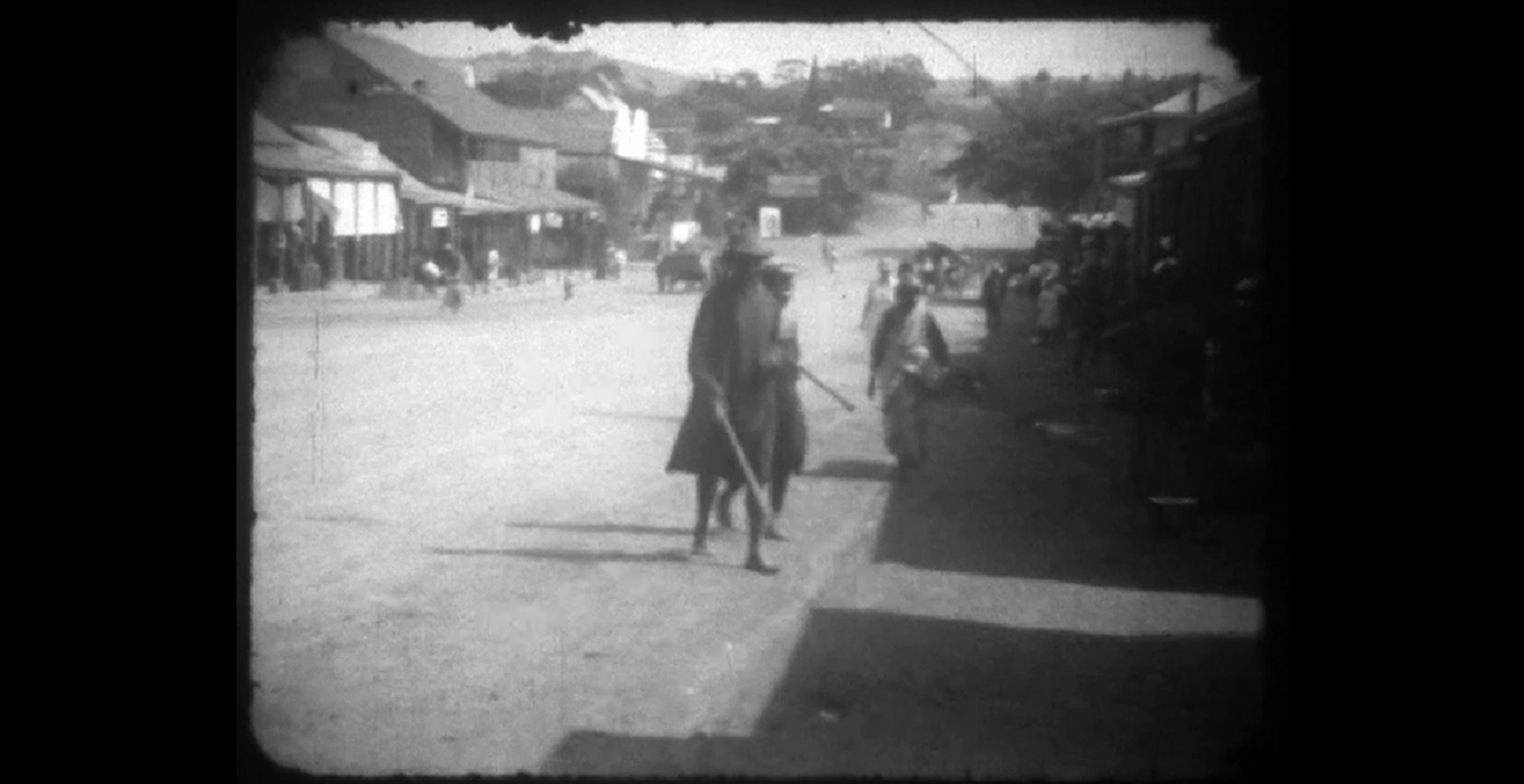
At one point, Oom Willem stops to sample some sugarcane (05:19), for which KwaZulu-Natal is well known. At the 05:32 mark, he arrives in Stanger. Much time is spent there, with a focus on the local people. From the footage, it is evident that Stanger was a bustling hub (05:32 to 07:01) and a melting pot of cultural diversity at the time. The traditional attire, religious practices, historic buildings and vintage vehicles are captivating.
 |
|
Footage reveals Stanger as a vibrant hub of cultural diversity at the time. Traditional dress, religious life, historic architecture and old vehicles all feature prominently. |
From Stanger, Oom Willem heads to the coast (07:27), although the precise location remains uncertain. Stanger is situated approximately 8 kilometres inland from Blythedale Beach, with other nearby coastal settlements including Salt Rock (19.1 km away) and Zinkwazi Beach (about 24.5 km by road).
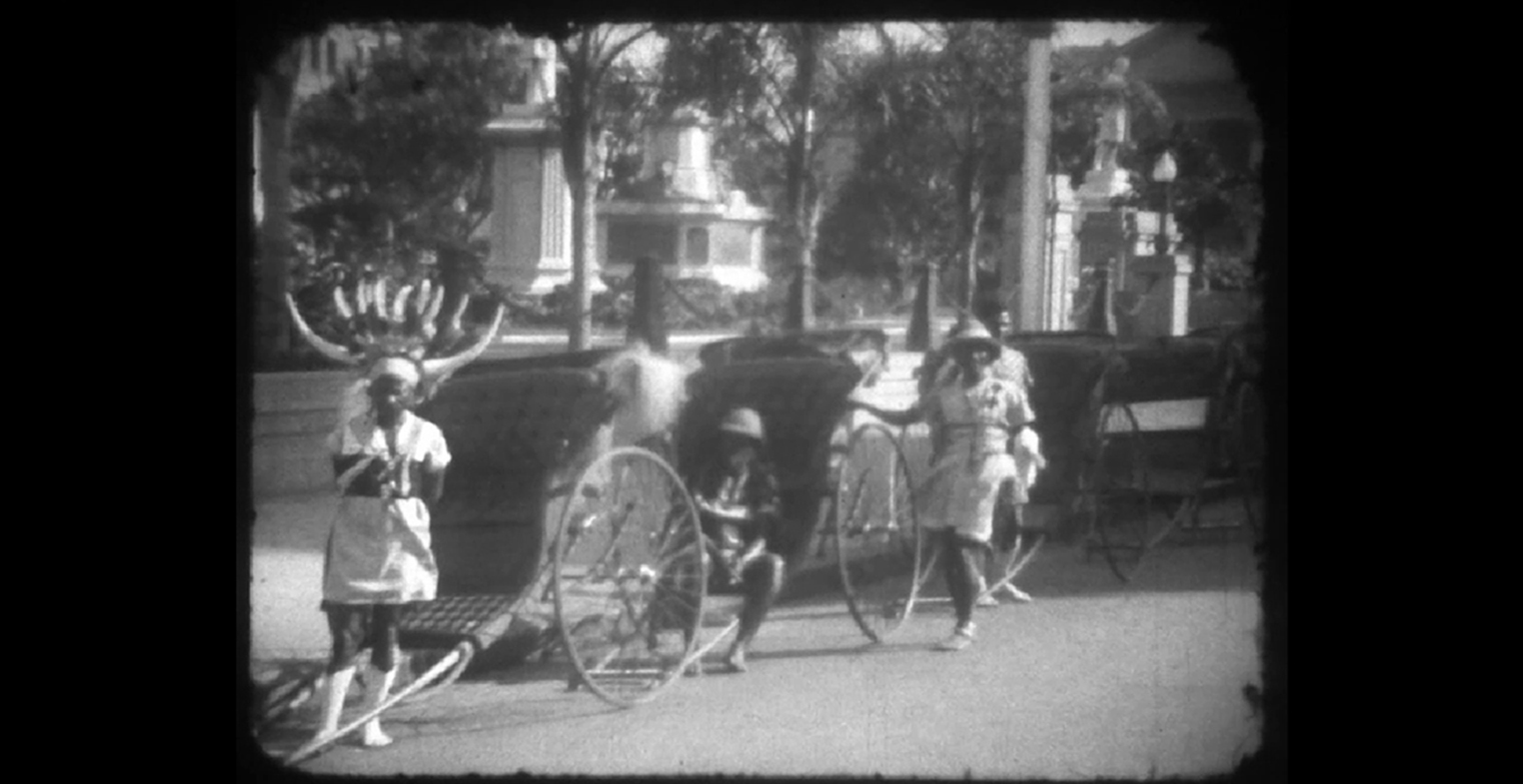
After spending time on the beach, the film cuts to Oom Willem’s arriving in what is unmistakably Durban (09:05). The presence of a rickshaw—iconic to Durban—is a clear giveaway (09:16). “These are rickshaw pullers standing in front of Durban City Square opposite the City Hall. The square features statues of Durban’s founding members, Queen Victoria and General Smuts, as well as a cenotaph honouring fallen soldiers,” remarked Alex.
 |
|
Oom Willem arrives in what is unmistakably Durban. The iconic rickshaw |
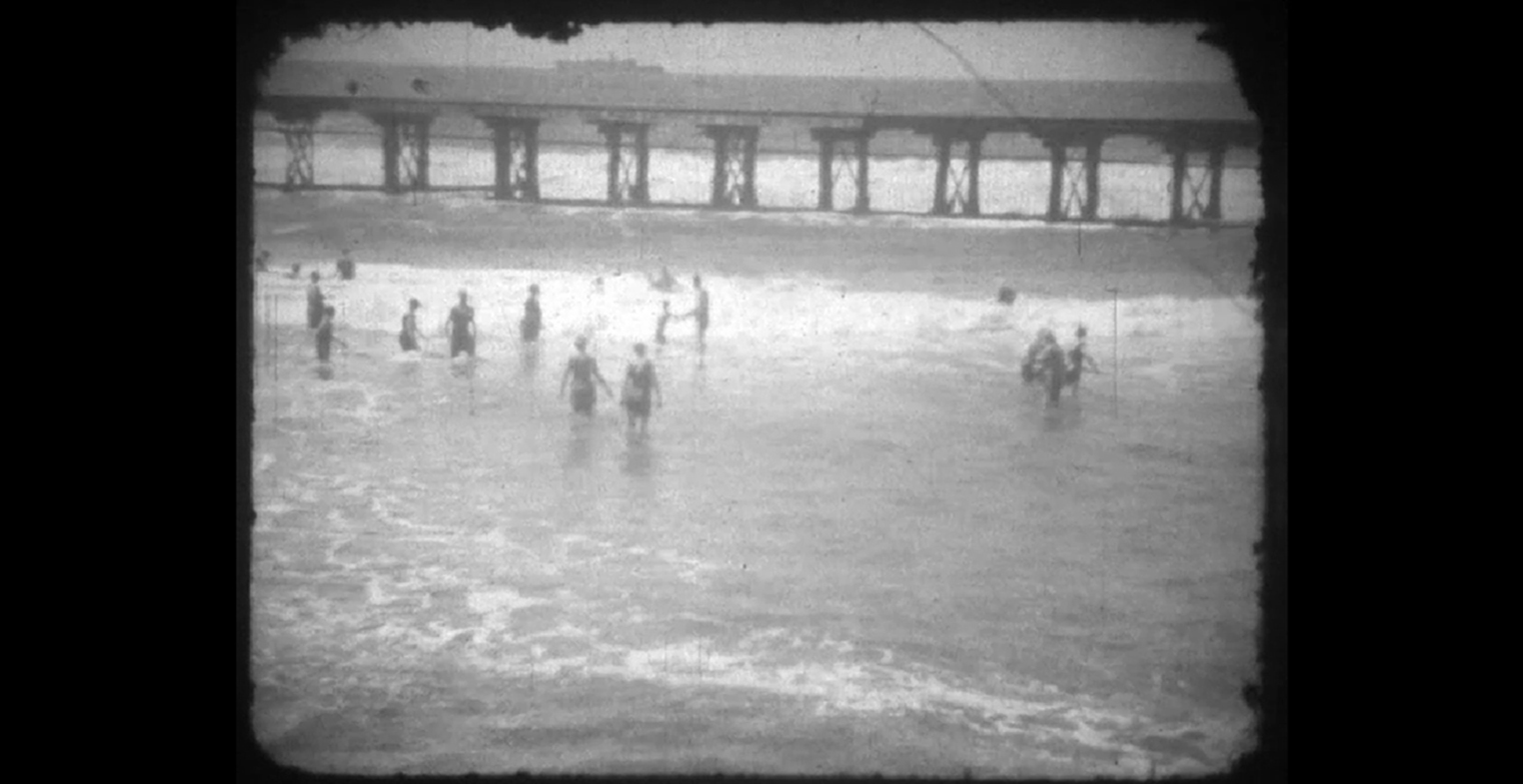
The itinerary also included a visit to Durban’s once-famous Ocean Bathing Enclosure on the beachfront (09:59). According to Alex, this structure was destroyed by rough seas in the late 1930s.
 |
|
The group visits Durban’s once-famous Ocean Bathing Enclosure. According to Alex, it was destroyed by rough seas in the late 1930s. |
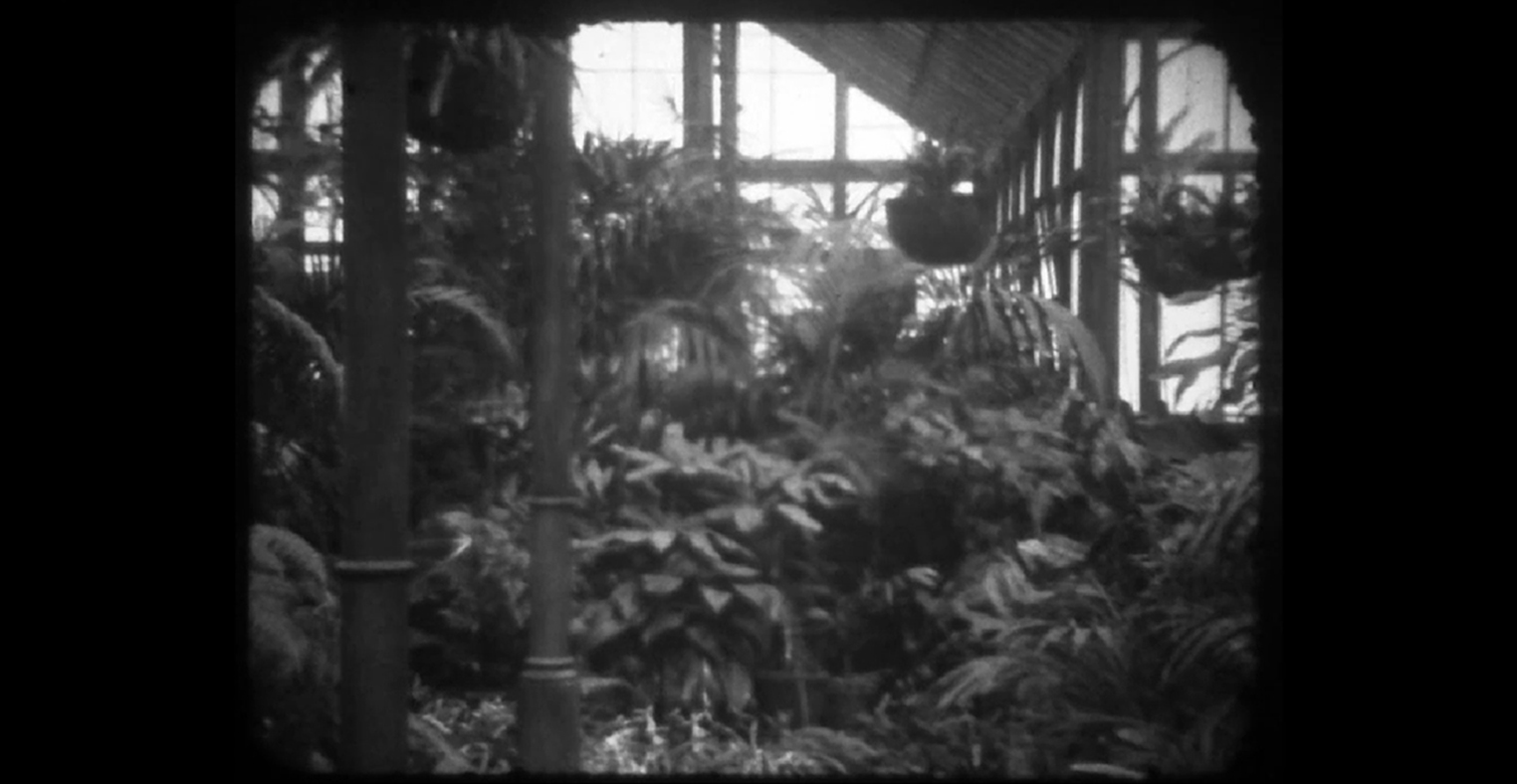
The Van den Berg tour party is seen enjoying the sunshine on the beachfront and relaxing—even paying a visit to local beachfront stalls (10:46). From there, it appears that their next stop was the Durban Botanic Gardens (11:30). The Durban Botanic Gardens is Africa's oldest surviving botanical garden and Durban’s oldest public institution, established in 1849.
 |
|
A visit to the Durban Botanic Gardens, Africa’s oldest surviving botanical garden and Durban’s oldest public institution, established in 1849. |
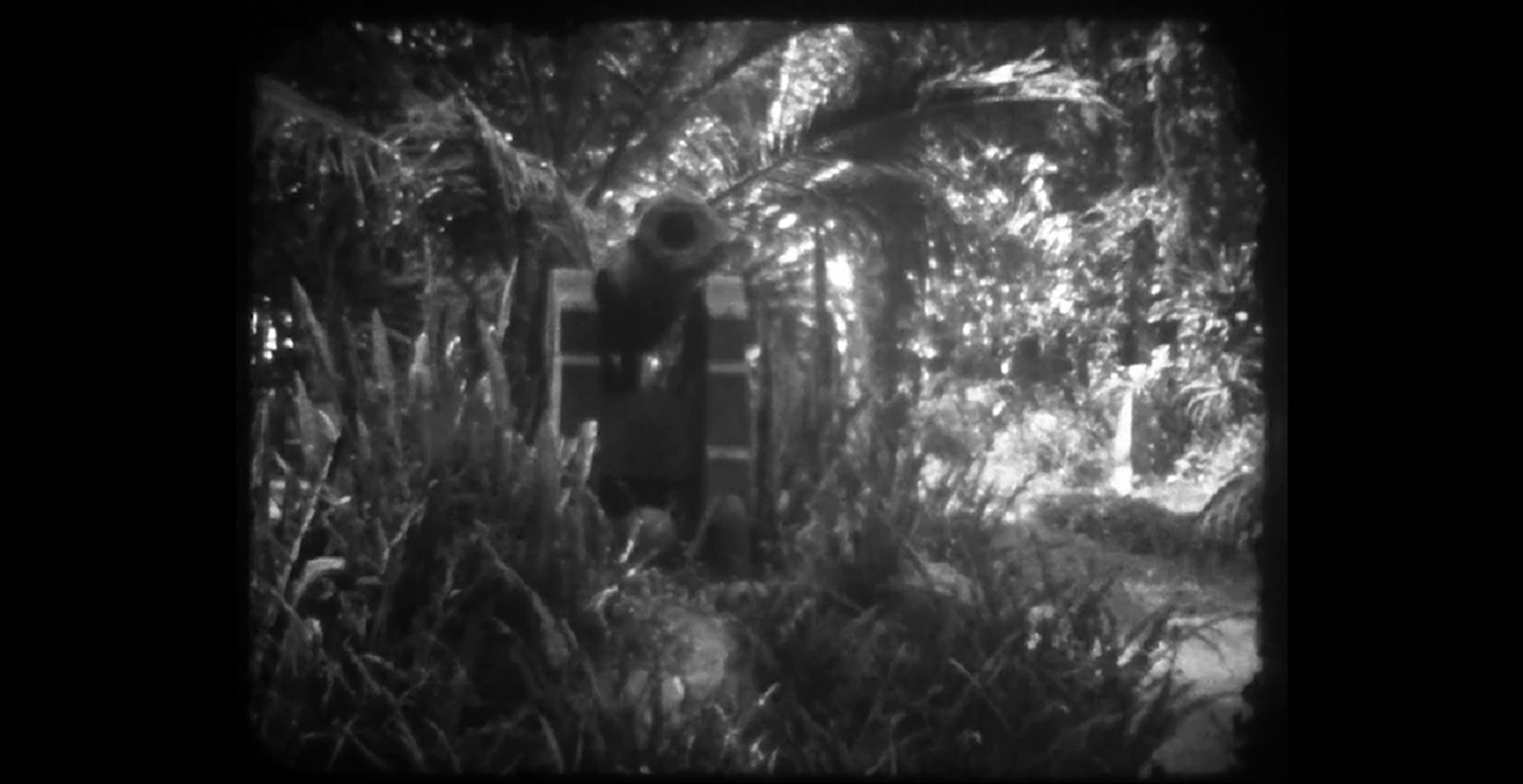
Following their visit to the gardens, Oom Willem apparently visits some well-to-do friends, judging by their impressive lodgings (12:18 to 12:58). The group then returns for more sightseeing, this time visiting the old Durban Fort (13:12), just a few kilometres from the Botanic Gardens. The historical significance of the fort lies in its military and colonial heritage. Established as a British military camp in 1842 during the Boer siege, it played a key role in the British re-occupation of Port Natal (Durban), which ultimately led to the annexation of the Colony of Natal.
 |
|
The historical significance of the old Durban Fort lies in its military and colonial heritage. Established as a British military camp in 1842 during the Boer siege. |
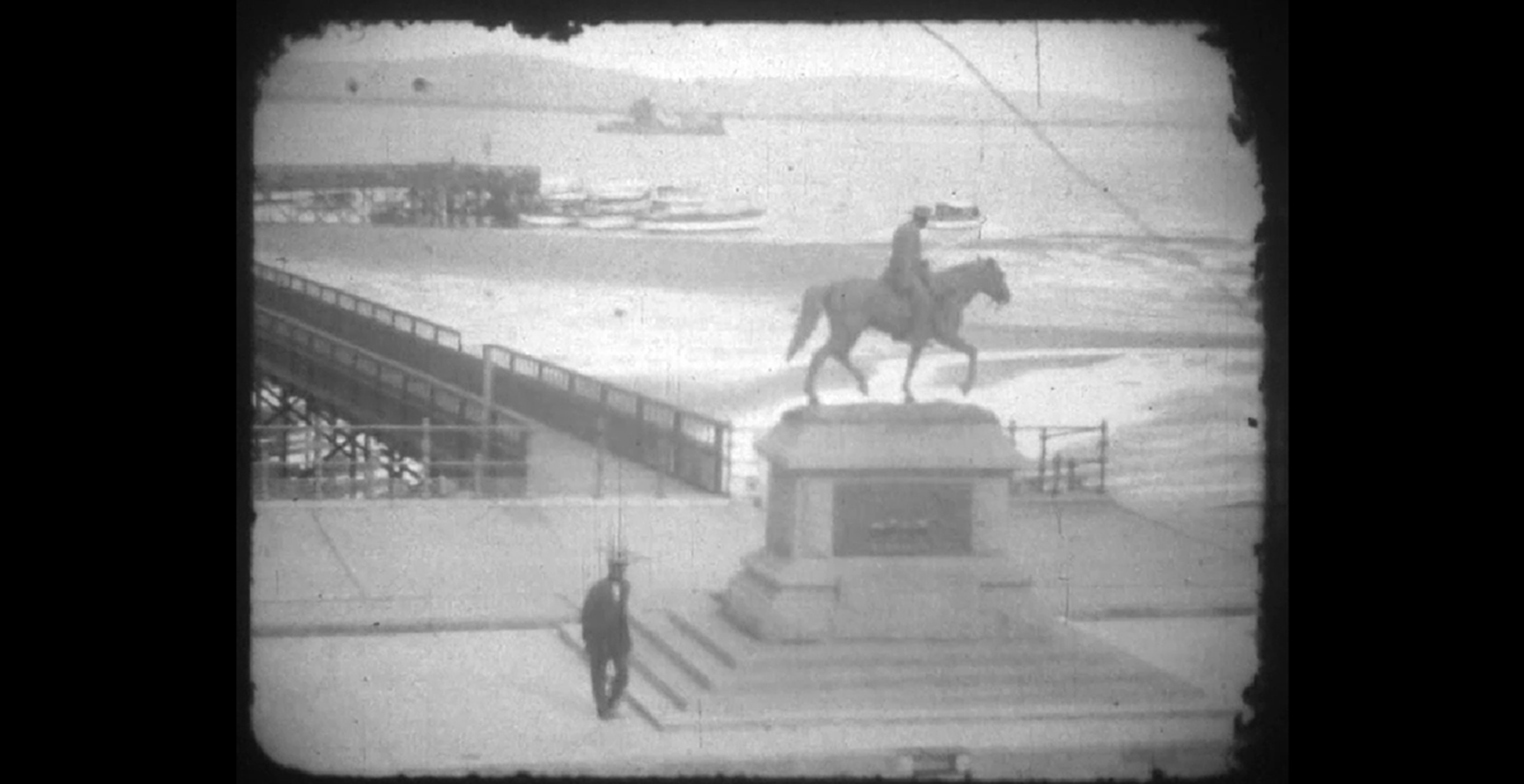
The focus then shifts to the statue of the famous Dick King. The statue is a bronze equestrian monument commemorating Dick King and his horse, Somerset, for their legendary 10-day, 950 km horseback ride in 1842 to seek reinforcements for the besieged British garrison at Port Natal. The statue is located on the Victoria Embankment at the bottom end of Gardiner Street, diagonally opposite the former Marine Hotel. “The hotel is no longer there (now replaced by an office block named The Marine), but the statue still stands,” said Alex.
 |
|
The statue of Dick King and his horse, Somerset, commemorating his legendary 10-day, 950km ride to seek reinforcements during the siege of Port Natal in 1842. |
Oom Willem’s trip to Durban concludes with a street view of the Victoria Embankment that borders Durban Harbour.
Next week, we’ll recap Oom Willem’s travels thus far and take a closer look at him as a person and as a resident of the Soutpansberg.
Viewed: 1928

Andries van Zyl
Andries joined the Zoutpansberger and Limpopo Mirror in April 1993 as a darkroom assistant. Within a couple of months he moved over to the production side of the newspaper and eventually doubled as a reporter. In 1995 he left the newspaper group and travelled overseas for a couple of months. In 1996, Andries rejoined the Zoutpansberger as a reporter. In August 2002, he was appointed as News Editor of the Zoutpansberger, a position he holds until today.
Most Read Articles
Sponsored Content
Recent Headlines