

ADVERTISEMENT:

Search for a story:
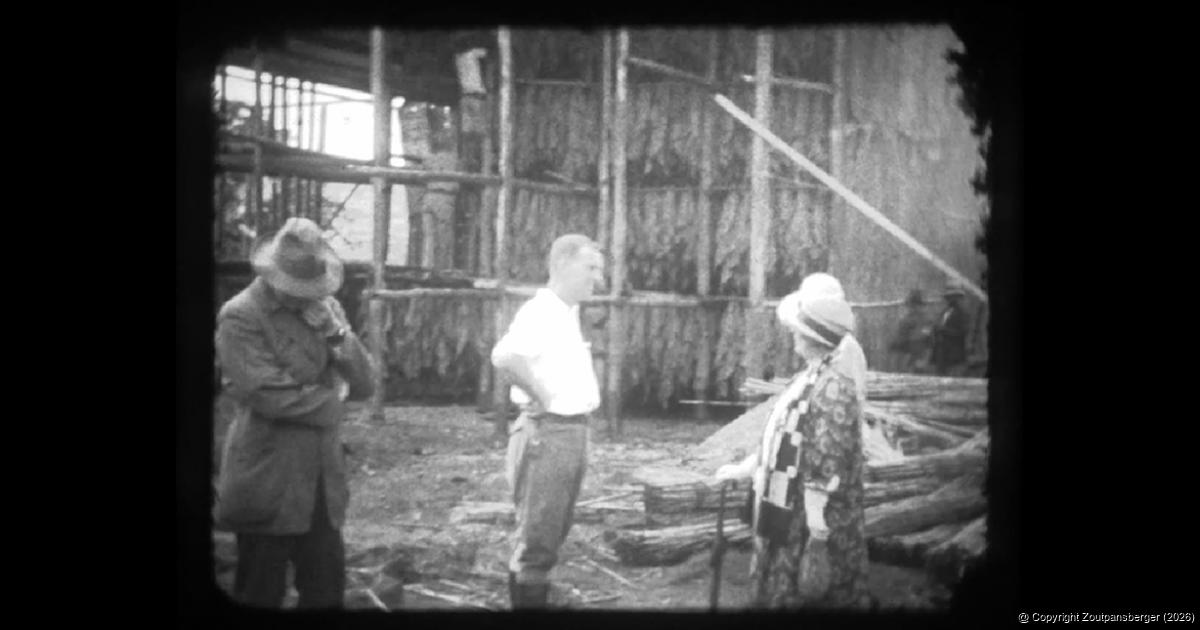
One of Oom Willem’s stops was a visit to a tobacco and citrus farm. Again, there seems to be a focus on agriculture.
Watch: Oom Willem takes 'agricultural tour' to Barberton district
Date: 05 July 2025 By: Andries van Zyl
In our sixth instalment of Oom Willem van den Berg’s travels, our tour group find themselves back on South African soil after journeying up the East Coast of Africa and enjoying two “auto tours” in Europe during the latter part of the 1920s. As always, Oom Willem captured his endeavours on 16mm film, which we have digitised for all to enjoy.
Oom Willem’s Barberton film dates back to 1926 and offers a fascinating glimpse into the South African landscape nearly a hundred years ago. Unlike his other films, which were more recreational in nature, his trip to Barberton appears to have been more business-oriented, with a focus on agriculture.
The 1926 date is significant as it marks the year Oom Willem arrived in South Africa. It is uncertain whether his trip to Barberton took place before or after he worked on a cattle ranch in the then Western Transvaal for nine months. He later spent two years on a farm in the Eastern Free State before settling in the Soutpansberg (Levubu), where he passed away in 1984.
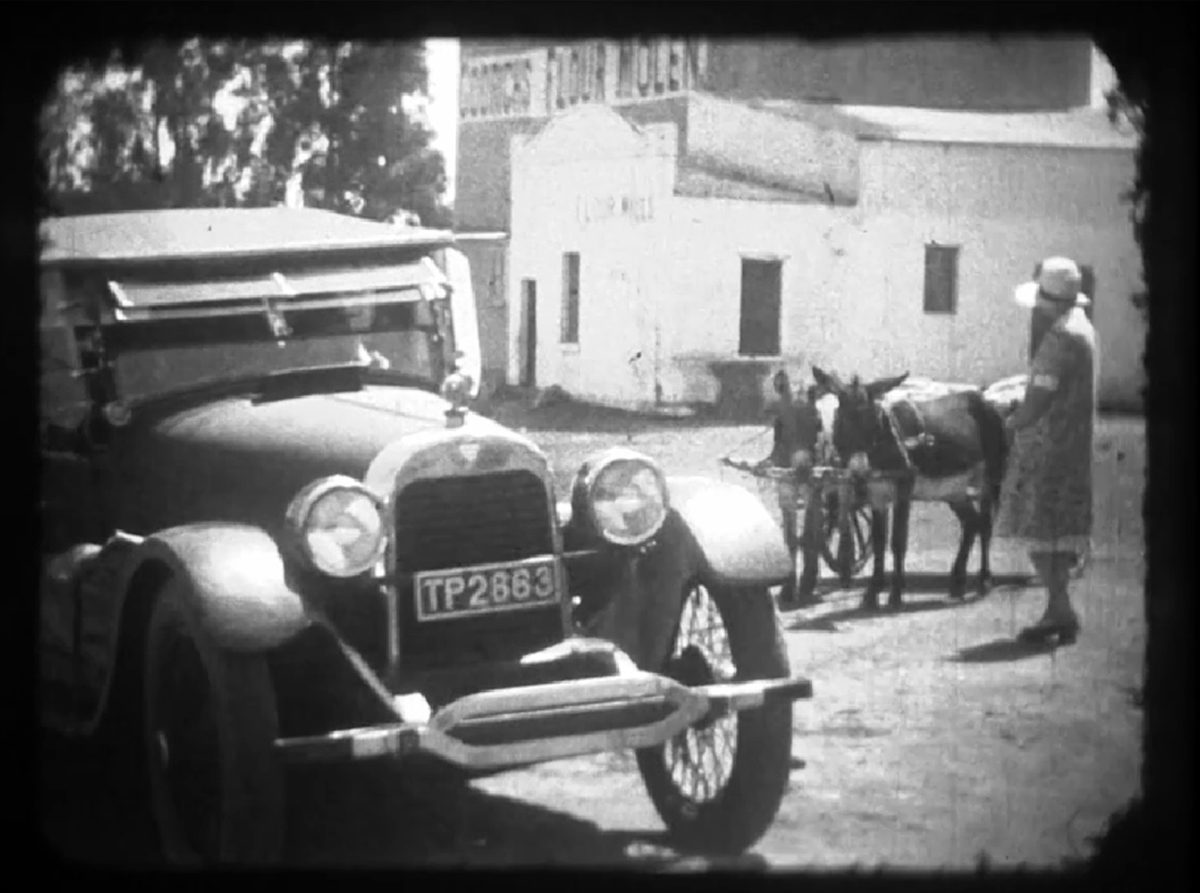
As always, we start off our recap of the film reel (00:22 time stamp) with something for the motoring enthusiast. The opening scene depicts Oom Willem travelling in what seems to be a 1925 Hudson Super Six Tourer. Introduced in 1916, the Hudson Super Six quickly gained a reputation for its innovative engineering, including the first fully balanced crankshaft and a high-compression cylinder head. It set multiple speed records in its early years, including a 24-hour stock chassis speed record averaging nearly 75 mph, which stood until 1931. The 1925 model was part of the first generation, which remained largely unchanged until 1926, when it was replaced by an updated design. Judging by the types of cars he drove, it seems Oom Willem was something of a car enthusiast.
 |
|
The opening scenes depicts Oom Willem travelling in what seems to be a 1925 Hudson Super Six Tourer. Introduced in 1916, the Hudson Super Six quickly gained a reputation for its innovative engineering. |
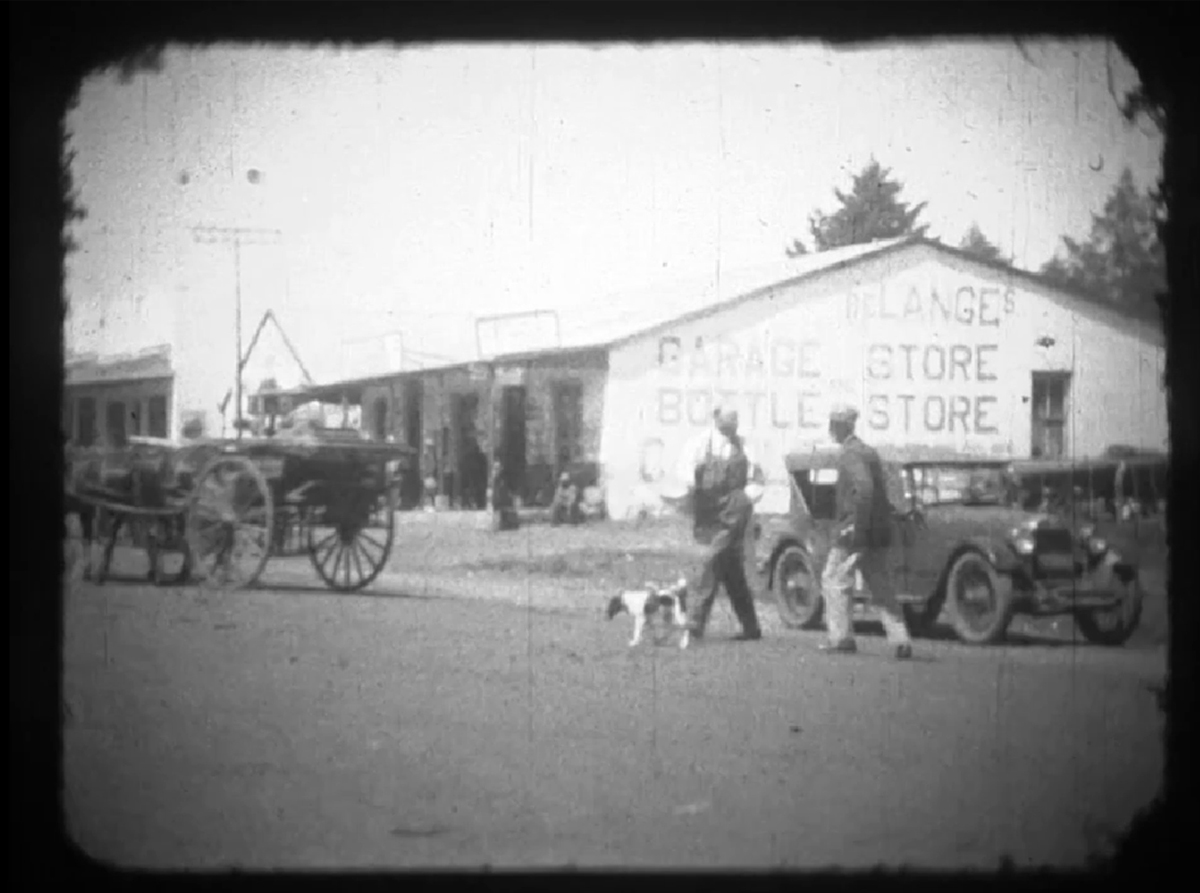
Around the 01:30 mark, it would seem that Oom Willem finds himself in Barberton. Visual clues include a De Lange’s Garage and Bottle Store, as well as a Mitchell’s store. Although these could not be definitively linked to Barberton, their presence—along with the architecture and street activity—suggests this is Barberton’s main business district during that era.
 |
|
Early visual clues include a De Lange’s Garage and Bottle Store, as well as a Mitchell’s store. Although these could not be definitively linked to Barberton, their presence—along with the architecture and street activity—suggests this is Barberton’s main business district during that era. |
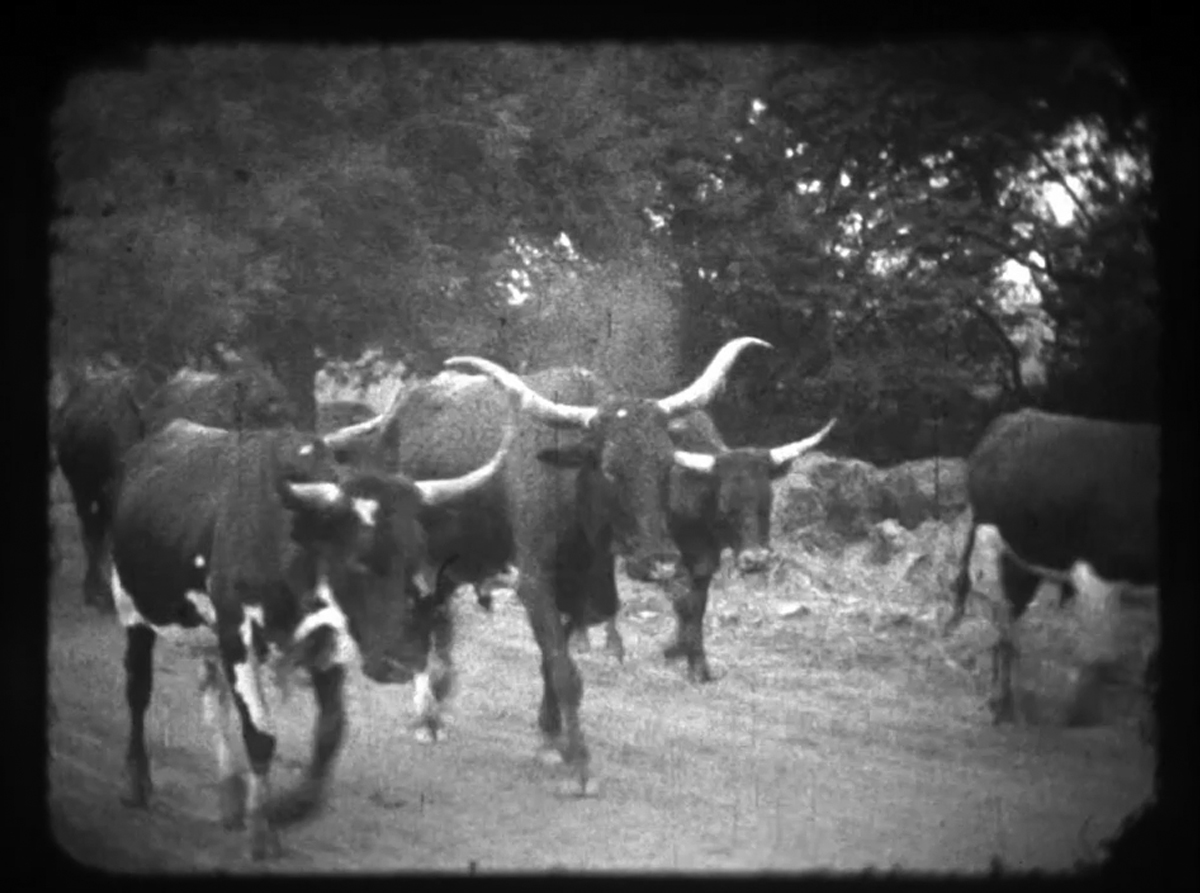
As mentioned, Oom Willem’s Barberton reel appears to focus on agriculture, including cattle farming. Quite some time is spent filming what seems to be a number of different cattle breeds. An Internet search confirmed that cattle farming did exist in the area, but was relatively small-scale and traditional in the 1920s. This was because the area bordered the tsetse-fly belt, which limited large-scale cattle farming because of disease risk. Cattle were kept close to settlements and grazed on natural grasslands, as can be seen in the footage. Indigenous or local cattle types were likely used rather than specialised commercial breeds. Oom Willem’s interest in cattle farming might have stemmed from the fact that he either planned to or had already worked on a cattle farm.
 |
|
An Internet search confirmed that cattle farming did exist in the area, but was relatively small-scale and traditional in the 1920s. This was because the area bordered the tsetse-fly belt, which limited large-scale cattle farming because of disease risk. |
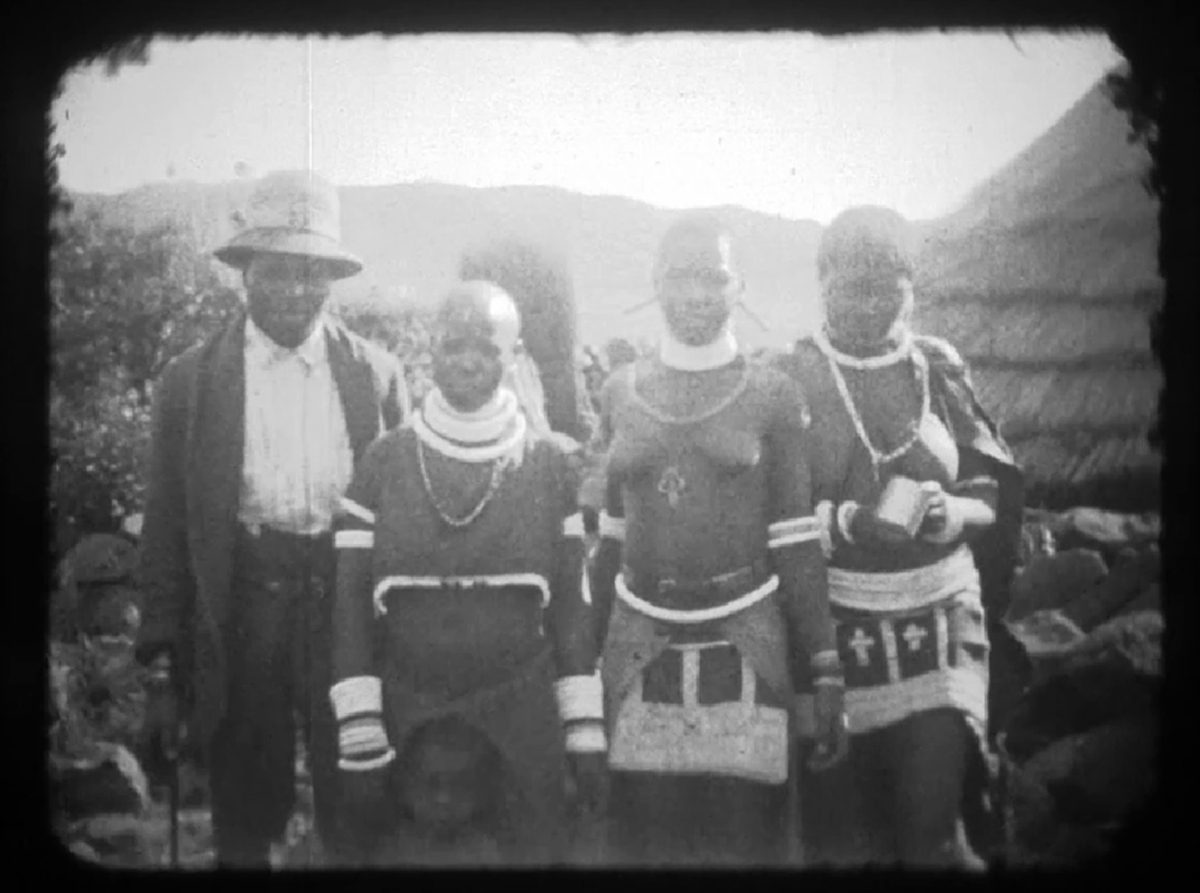
Through his home movies, Oom Willem also seems to have shown a keen interest in the lives of local indigenous tribes, especially their clothing and traditions. At around the 04:45 mark, Oom Willem, travelling on horseback, is seen visiting a rural homestead and filming the inhabitants’ traditional attire. The clothing is identified as that of the Swazi (siSwati) tribe. The Swazi people are known for their vibrant beadwork and distinctive traditional garments, especially during important cultural events. The Swazi are indigenous to the Barberton region and surrounding areas.
 |
|
Through his home movies, Oom Willem also seems to have shown a keen interest in the lives of local indigenous tribes, especially their clothing and traditions. This time, Oom Willem focussed on the Swazi people. |
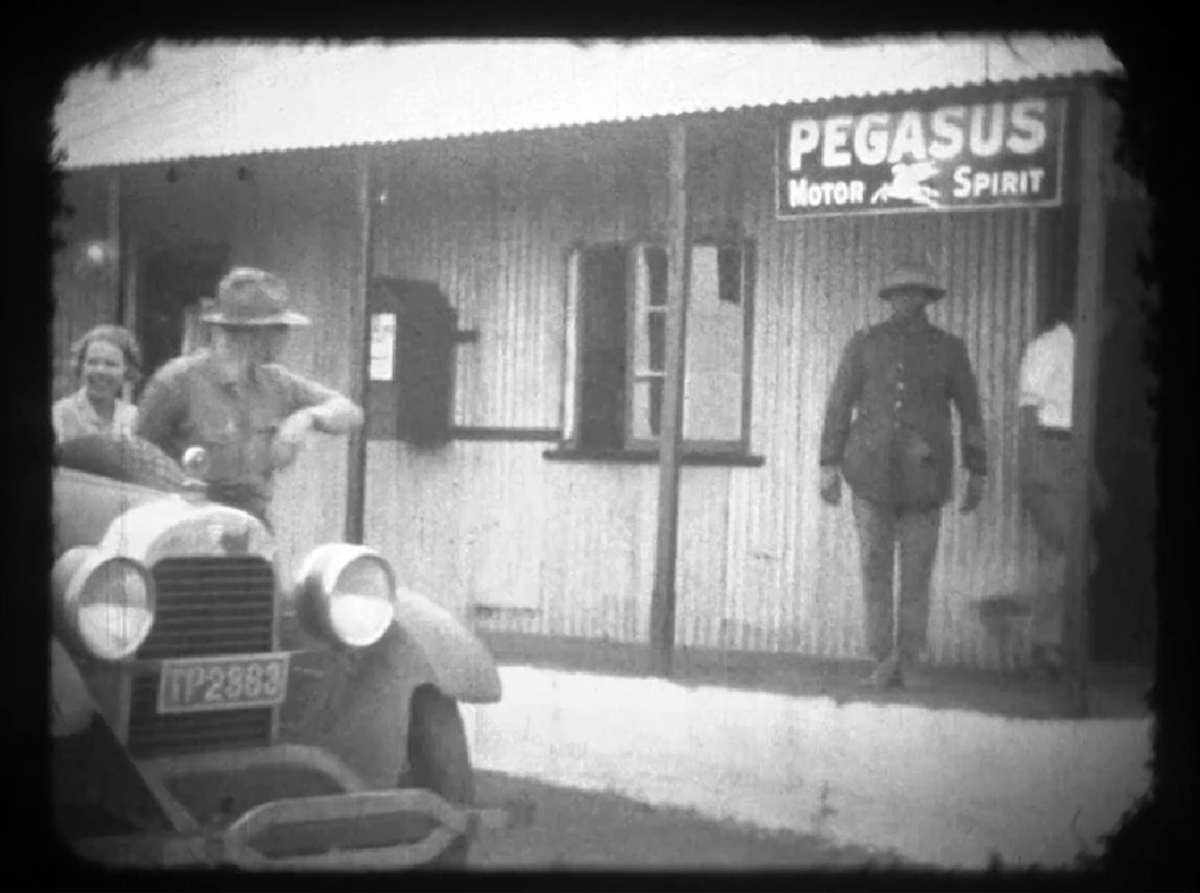
It was not all work and no play for Oom Willem. He is frequently seen enjoying a picnic or lunch break with friends in the field. Several scenes also depict rural farm life in the 1920s, with visits to town, probably to replenish rations. This includes a visit to a filling station—Pegasus Motor Spirit (07:48). A fuel station or general store would have been common in towns such as Barberton during that period. The term "Motor Spirit" was a common name for petrol in that era. The corrugated iron building style is characteristic of structures found in South Africa during the early 20th century, particularly in rural or mining towns such as Barberton.
 |
|
Several scenes also depict rural farm life in the 1920s, with visits to town, probably to replenish rations. This includes a visit to a filling station—Pegasus Motor Spirit. A fuel station like this would have been common in towns such as Barberton during that period. |
Oom Willem then heads to the “highlands” for a visit to a tobacco farm around 10:00 into the film reel. Again, there seems to be a focus on agriculture. The tobacco farm also appears to double as a citrus farm. Some research confirmed that tobacco and citrus farming did occur in the Barberton area in the 1920s. There was increased interest in growing tobacco and producing snuff tobacco in Barberton and the adjoining De Kaap Valley district during that time. Although not the dominant crop, tobacco was among several cultivated, with farms often producing fruit (including citrus), tobacco, and vegetables simultaneously.
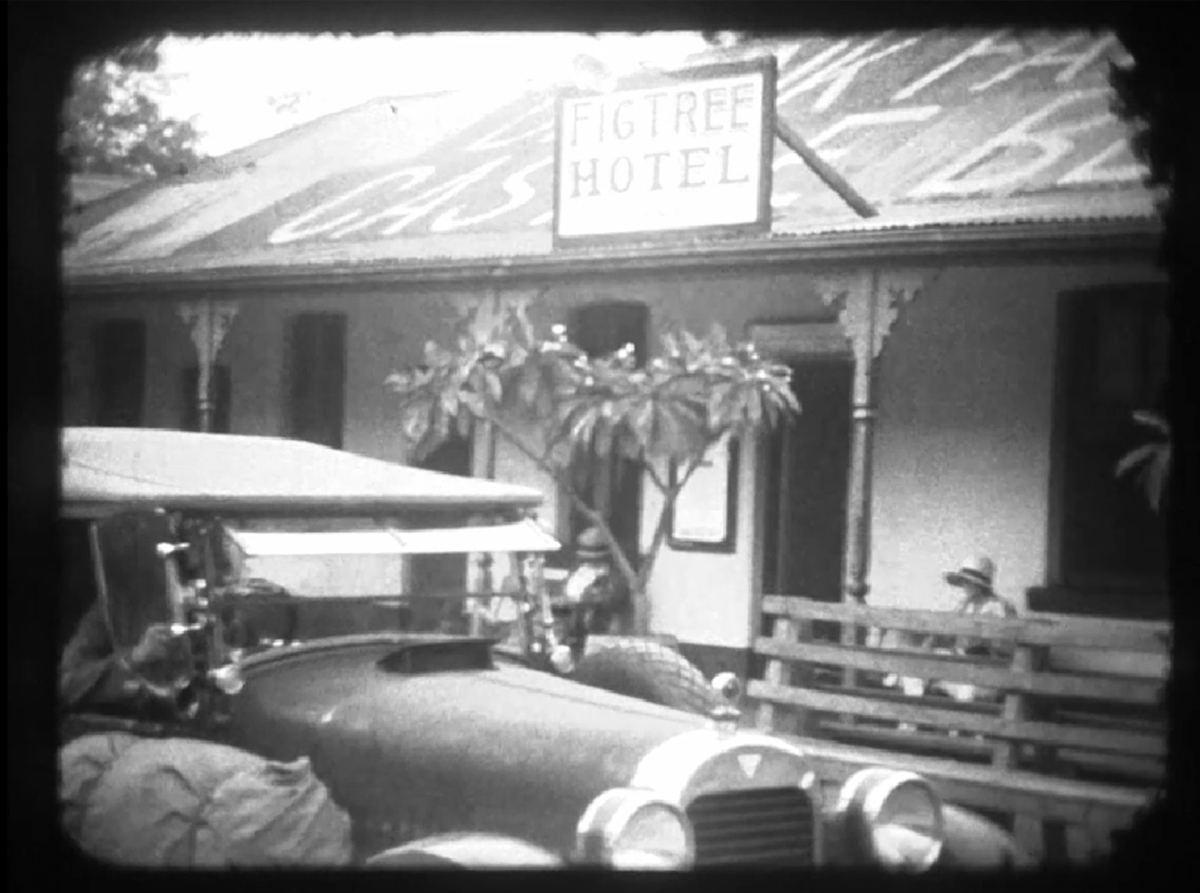
At some point, our travellers appear to get a bit thirsty, prompting a visit to the “Fig Tree Hotel” (11:32). Although the hotel seems to have been an important landmark at the time, no record of it could be found. However, the name "Fig Tree" is historically linked to the nearby region: transport riders used to repair their wagons under a large fig tree (Ficus sycomorus) near what was known as Fig Tree Creek, close to Barberton—a location with some historical significance dating back to the late 19th century.
 |
|
No record of the Figtree Hotel could be found, however, the name "Fig Tree" is historically linked to the nearby region. |
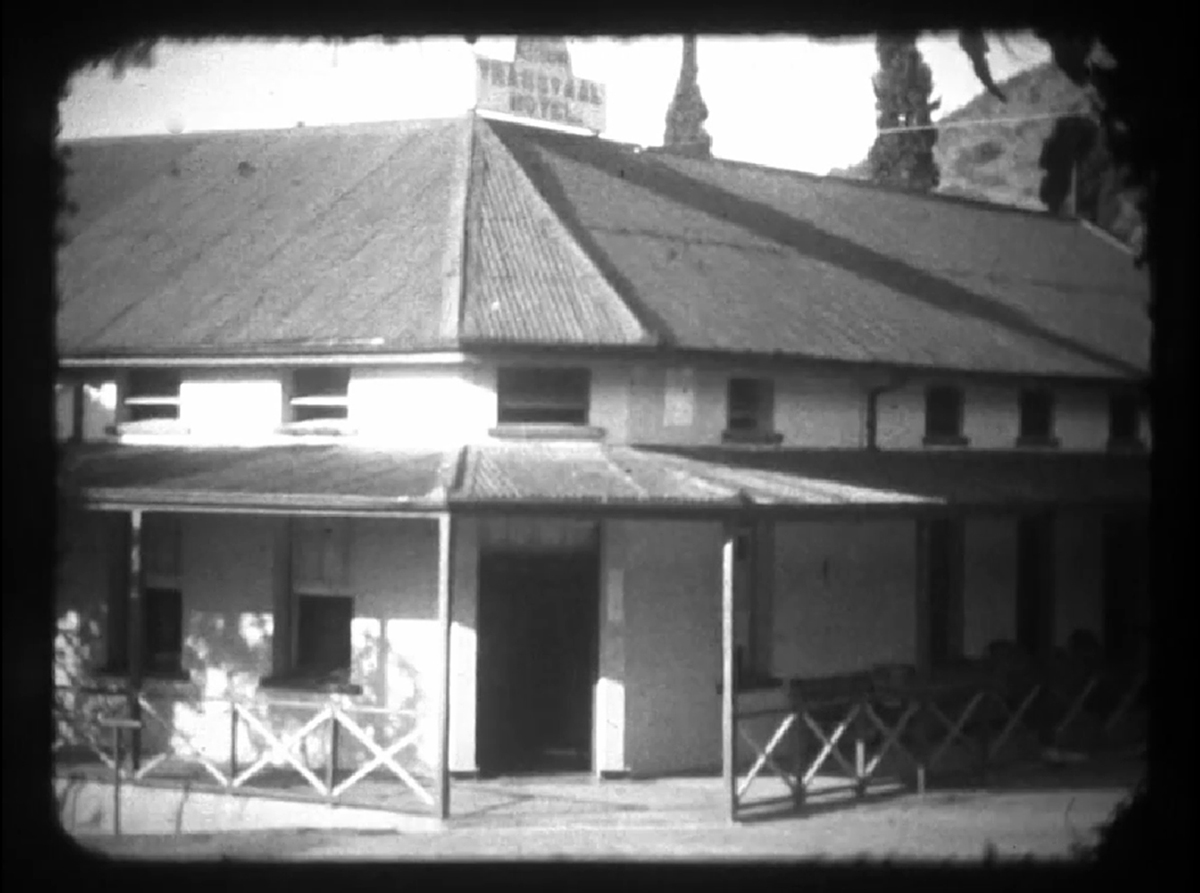
One landmark that did, however, have well-documented historical significance was the old Transvaal Hotel (11:48). The Transvaal Hotel in Barberton during the 1920s was a notable establishment in a town that had grown rapidly because of the gold rush in the late 19th century. While the hotel is specifically mentioned as a landmark in Barberton's history, detailed descriptions of its operations or prominence during the 1920s are limited in available sources. The hotel was later to become the Impala Hotel.
 |
|
One landmark also visited by Oom Willem that did have well-documented historical significance was the old Transvaal Hotel. |
One has to feel for Oom Willem. With all the travelling, there are several scenes of the Hudson suffering breakdowns or overheating (14:20). In some cases, a quick trip to a local stream for some “coolant” had to be undertaken. All the roads travelled in the reel are still dirt roads. Again, some time is spent filming indigenous cattle breeds.
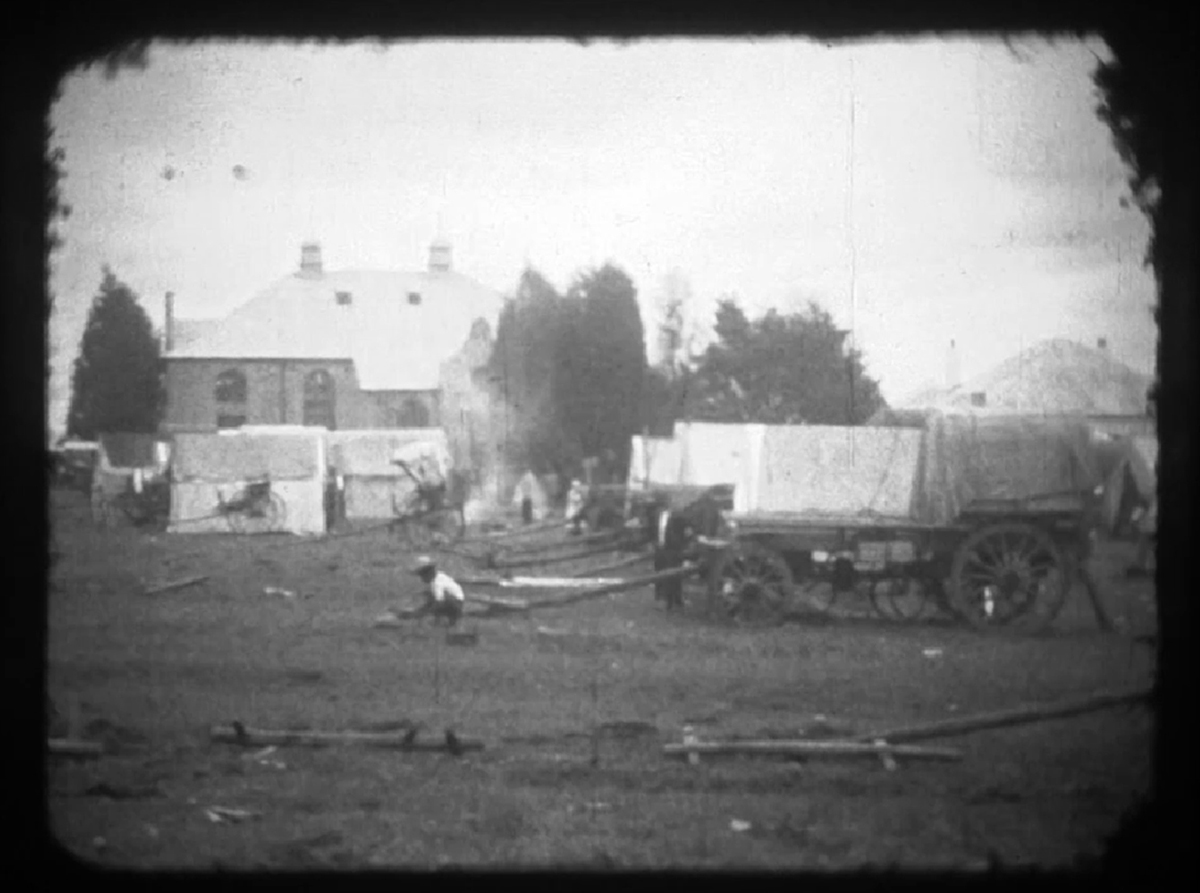
Sadly, the reel ends with what at first seems like a “Voortrekker” gathering, but turns out to be a temporary black settlement camp, highlighting the racial segregation that existed at the time (14:20).
 |
|
This temporary black settlement camp highlighting the racial segregation |
Temporary black settlements like the one seen in the reel were unfortunately not uncommon in South Africa during the early 20th century, including in areas like Barberton. Although apartheid was not formally legislated until 1948, segregationist policies were already in effect. The 1923 Natives (Urban Areas) Act played a major role in pushing black South Africans to the outskirts of urban centres. The use of wagons and tents indicates a labour camp or migrant settlement, likely formed near mining or farming operations in the area.
Next week, we continue our journey with Oom Willem. This time, he takes to the road to visit places of interest in KwaZulu-Natal. Once again, the film provides captivating scenes, including several historical monuments. Be sure to check out the video below:
Viewed: 2990

Andries van Zyl
Andries joined the Zoutpansberger and Limpopo Mirror in April 1993 as a darkroom assistant. Within a couple of months he moved over to the production side of the newspaper and eventually doubled as a reporter. In 1995 he left the newspaper group and travelled overseas for a couple of months. In 1996, Andries rejoined the Zoutpansberger as a reporter. In August 2002, he was appointed as News Editor of the Zoutpansberger, a position he holds until today.
Most Read Articles
Sponsored Content
Recent Headlines