

ADVERTISEMENT:

Search for a story:
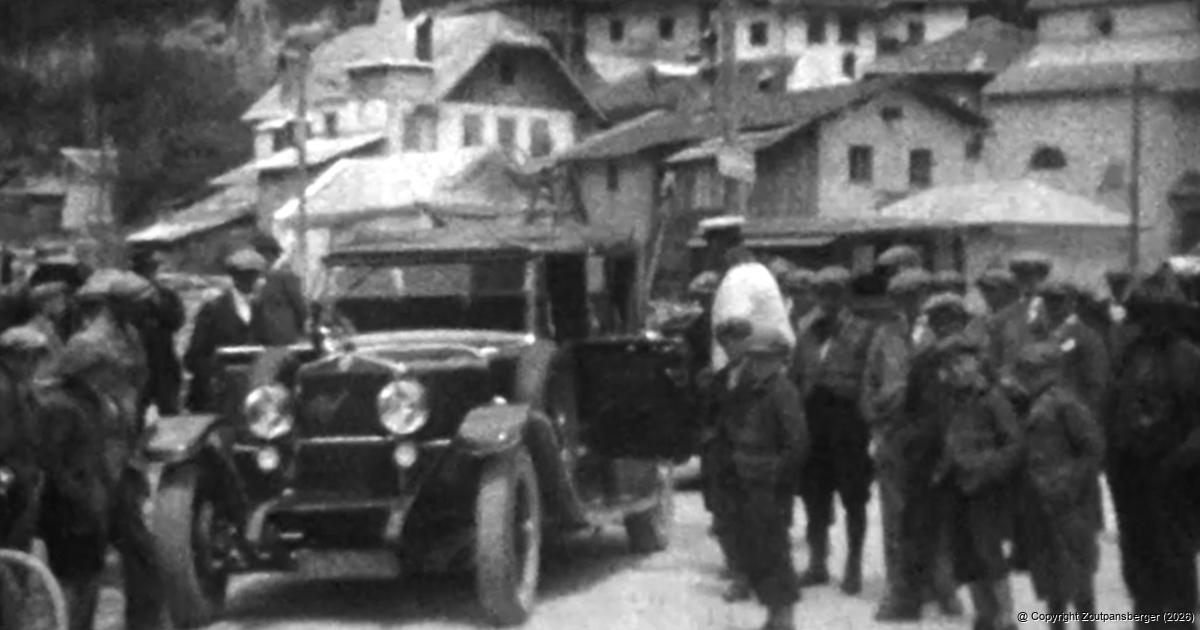
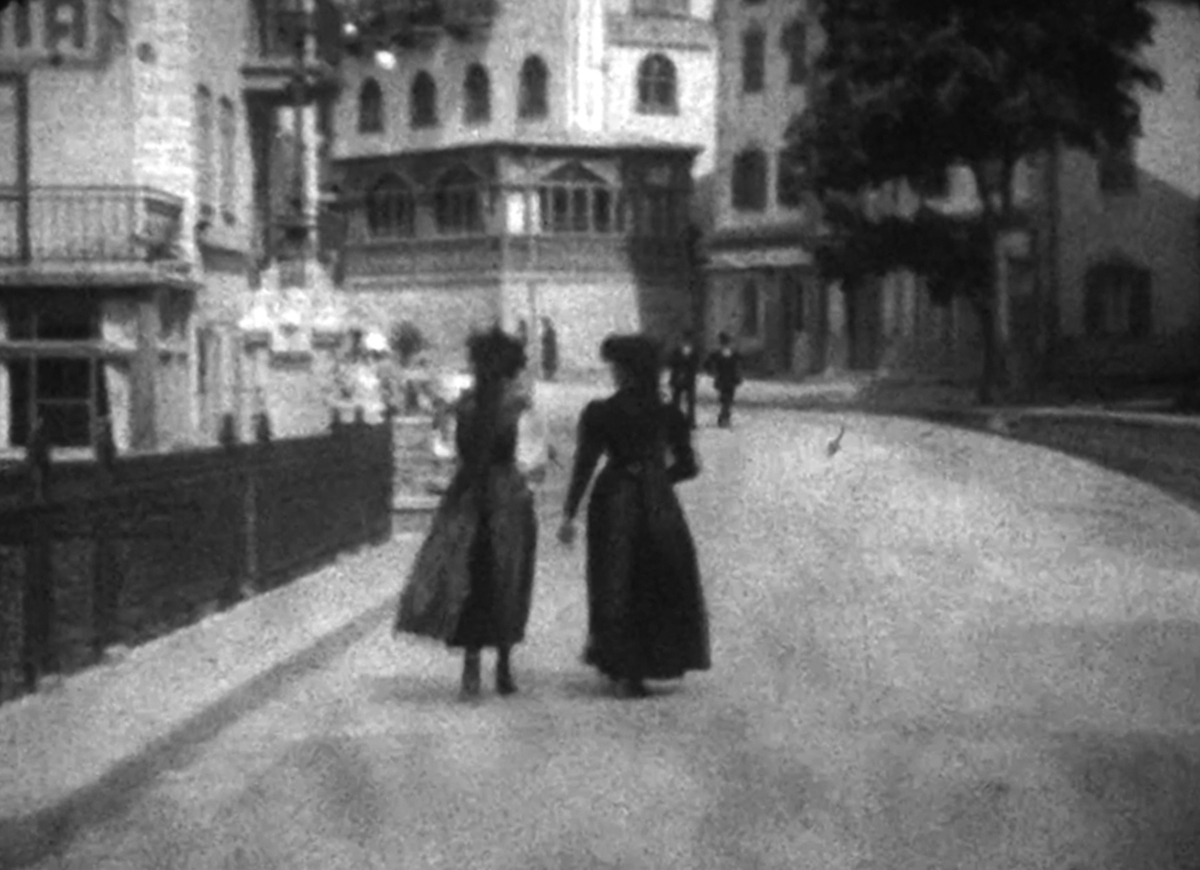
The group stopped over at several small Austrian villages. This may have been captured in Innsbruck, with its characteristic Alpine town architecture.
WATCH: Oom Willem visits Venice and drives over the Alps
Date: 28 June 2025 By: Anton van Zyl
In our fifth episode focusing on the travel films of Oom Willem van den Berg, we tour through Europe. The year is 1928, and this time they visit the “real” Venice and drive through the snowy Swiss Alps.
For those new to the series – we explore the 16mm films left behind by the late Willem van den Berg, a Hollander by birth who settled in the Levubu area in the early 1930s. We were able to convert 17 of the “home movies” he made almost a century ago, and we have already spent many hours deciphering the places he visited. Last week, we joined him on an auto tour through the Netherlands, including the picturesque Giethoorn, often referred to as the Dutch Venice for its extensive network of canals and wooden bridges. This week, we explore the more exotic European tourism venues of the era.
Oom Willem’s second auto tour through Europe proved far more challenging to unravel. It required knowledge of the tourism attractions in Europe in the 1920s, which, sadly, we lack. The reel does, however, provide a fascinating perspective on travelling a century ago, when the automotive industry was still in its infancy and road travel was reserved for the wealthy.
The reel is marked “Auto Tour. May-Jun 1928”, which at least helps us to date it. It was filmed roughly eight months after the tour through the Netherlands, which we covered in last week’s edition.
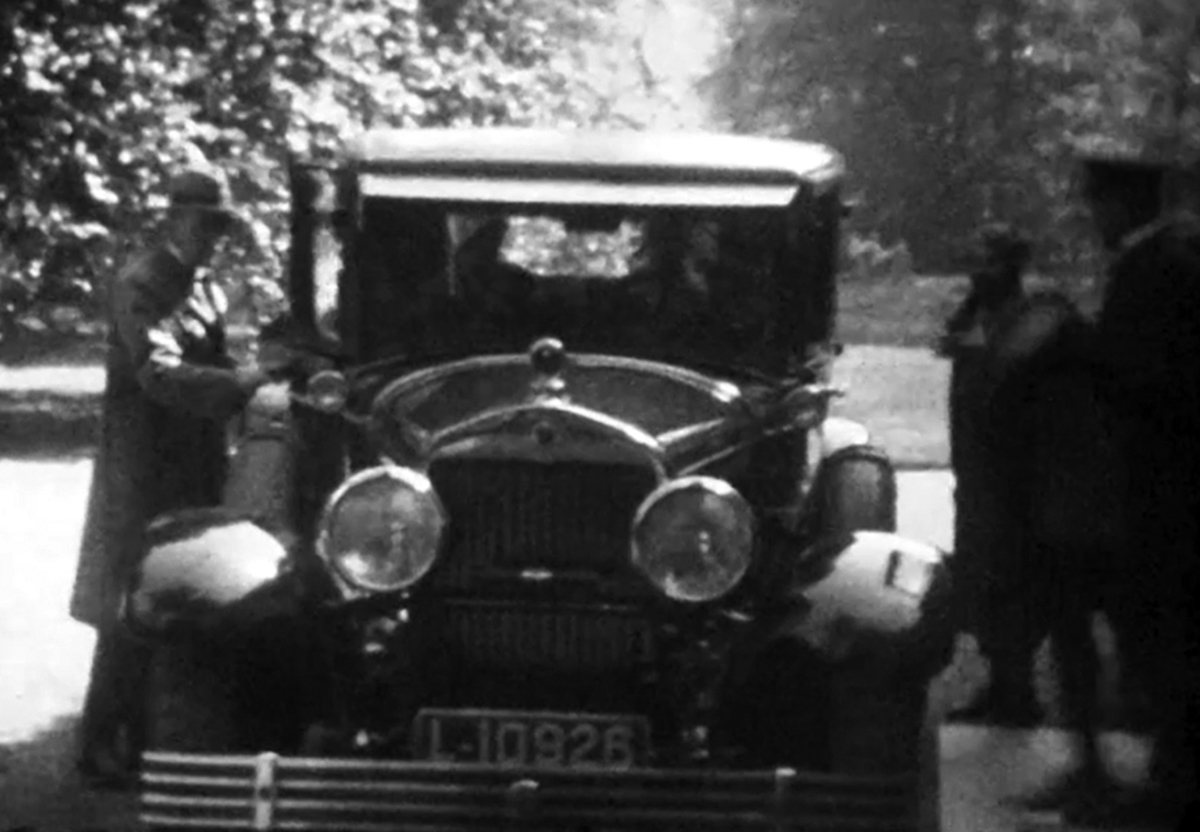
This tour probably started off in Utrecht. Willem van den Berg was born in Amsterdam, which is not far from Utrecht. Two of the vehicles have registration numbers starting with ‘L’, which were assigned to cars in Utrecht.
Vintage vehicle enthusiasts would probably enquire about the cars, but we are not of much assistance. The two cars initially shown may be a Ford Model T Touring and a 1926 Willy’s Knight Model 66. At around 02:00 into the reel, there is some lovely footage of a 1926 Cadillac 314 Standard Series Sedan. This again suggests that Oom Willem probably came from a wealthy family, or at least had wealthy friends.
 |
|
One of the cars the group travelled in was a 1926 Cadillac 314 Standard Series Sedan. |
A new Cadillac would have cost roughly 11,500 to 13,500 Dutch guilders in the Netherlands, reflecting the import and tax premiums typical for luxury American cars at the time. Adjusted for inflation, this would correspond to roughly R1.3 million in today's currency.
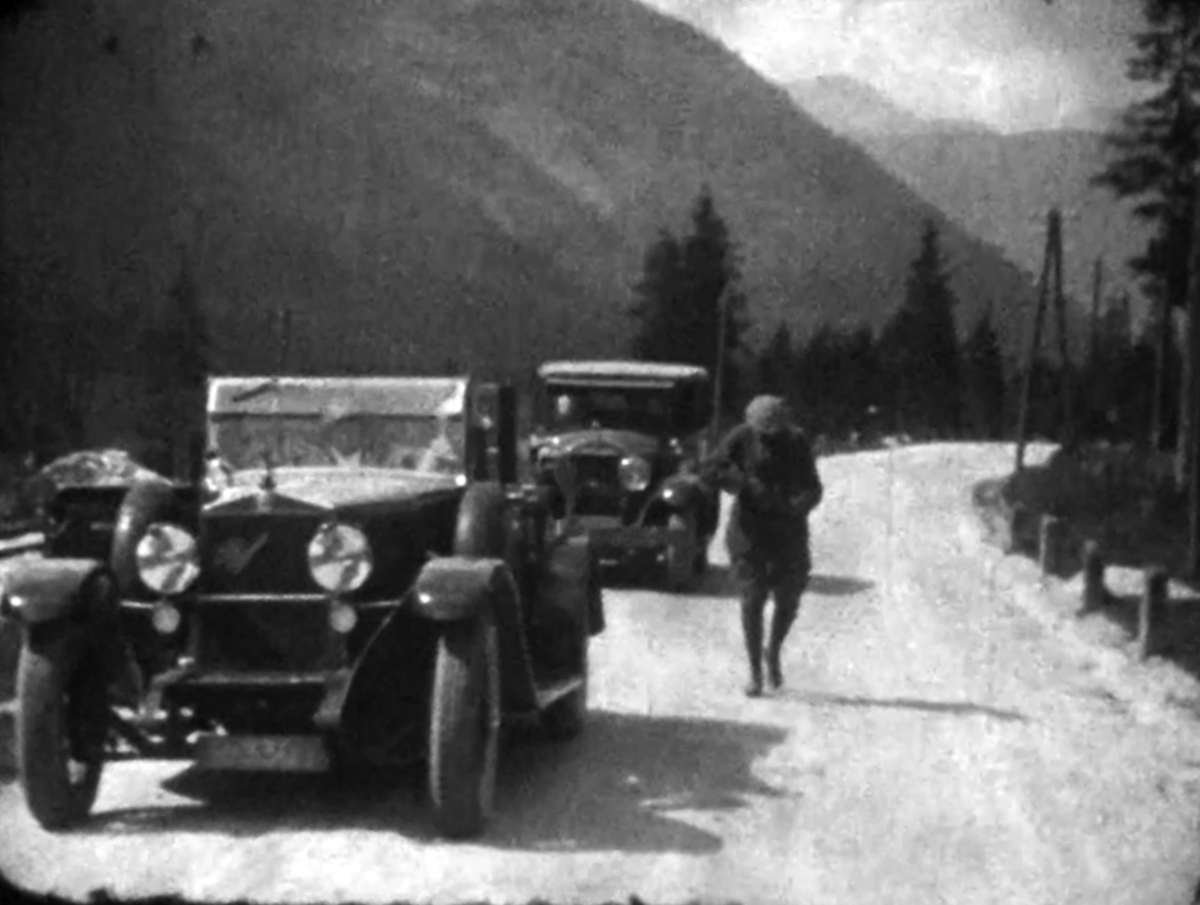
It appears that the group used three cars for the trip. Later on, a car that resembles an Alfa Romeo RL can be seen. What is quite clear is that the group members were preparing for cold weather. The open-top cars clearly lacked the sophisticated heating systems we are accustomed to today.
 |
|
The car in the front looks like an Alfa Romeo RL. This was taken on one |
At 02:15 into the film, the group can be seen enjoying themselves on a beach. This may have been at the Zuiderzee, which is not too far from Utrecht. It is, however, unlikely that the first stopover would have been so close to home.
The scene at 02:20 provides a better clue, where the group can be seen visiting a hotel near the sea. The part of the hotel’s name that is visible says “Hotel Aust .. Autogarage”. This may indicate that it is in Austria, and more specifically, the Bodensee area. This was a very popular and fashionable tourist destination, often called Germany’s Riviera because of its large size, balmy, dry climate, and scenic Alpine backdrop. The lake borders Germany, Austria and Switzerland.
But sadly, there are very few details that allowed us to trace the location. We assume that the group travelled to Venice (as they later end up there), but where they stopped en route remains a guess.
The next few minutes show some beautiful footage of the roads travelled on, most probably through parts of Germany or Austria. At 06:47, a picturesque town can be seen, which may be Innsbruck, with its characteristic Alpine architecture.
From 07:15, it is clear that the group has reached Venice, with the Piazza San Marco, the famous square, clearly visible. The group engage in the usual tourist activities, such as feeding the thousands of pigeons.
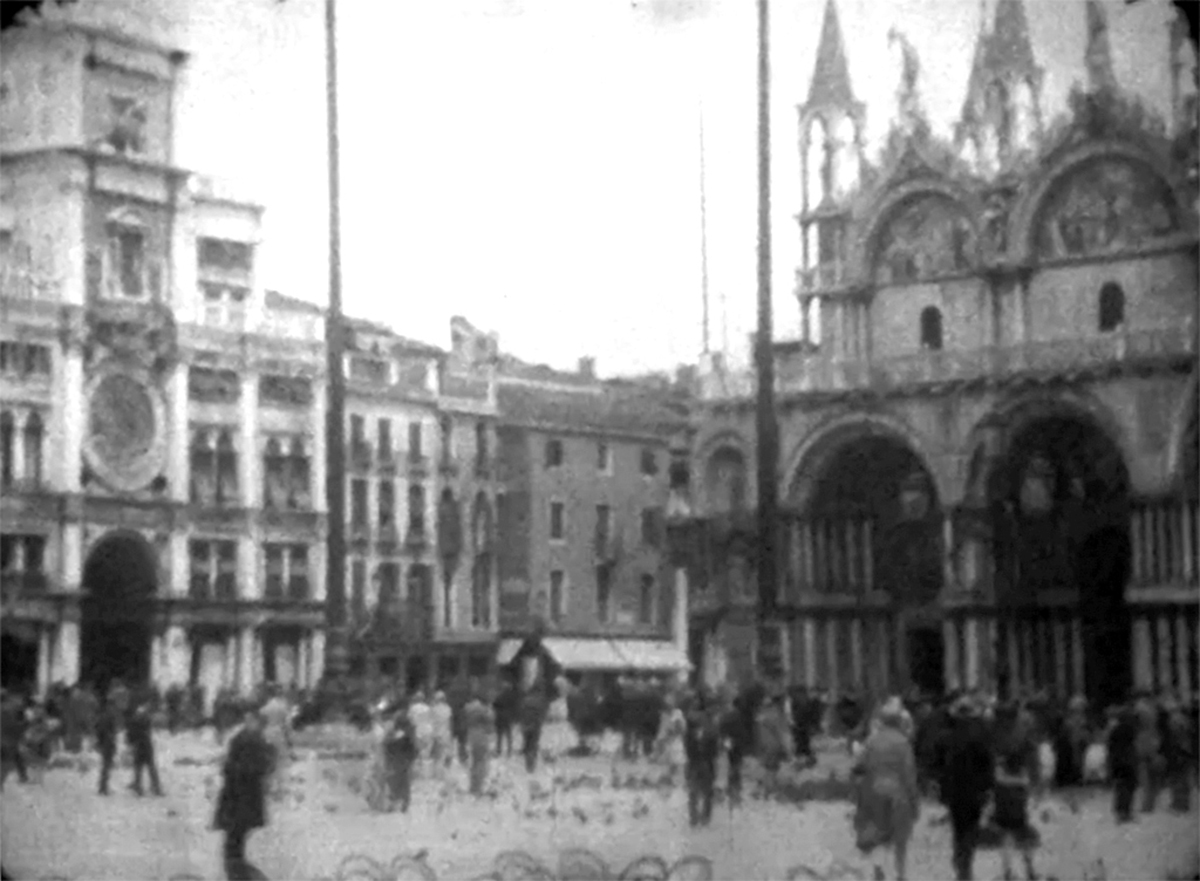
At 08:55, some beautiful historic footage of the square can be seen. The building on the right is the Basilica di San Marco (St Mark’s Basilica) and the building on the left is the Torre dell’Orologio (St Mark’s Clocktower).
 |
|
The famous square in Vencie, the Piazza San Marco. The building on the right is the Basilica di San Marco (St. Mark’s Basilica) and the building on the left is the Torre dell’Orologio (St. Mark’s Clocktower). |
From 09:10, the Doge's Palace (Palazzo Ducale) can be seen. The staircase shown is the Scala dei Giganti (Staircase of the Giants), located in the inner courtyard of the Doge's Palace. This staircase is known for its impressive size and for the statues of Mars and Neptune at the top.
From 09:50, the beautiful canals of Venice can be seen. A bit later, there are also clips of sunbathers on a beach. The most popular beach resort in Venice in 1928 was the Lido di Venezia. By the 1920s, the Lido had established itself as a premier European seaside destination, renowned for its luxurious hotels – particularly the Grand Hotel des Bains and the Hotel Excelsior – which attracted celebrities, royalty and wealthy tourists from across Europe.
At 10:30, the Doge's Palace can be seen again. This was the residence of the Doge of Venice and the seat of the Venetian government for centuries. It is one of the most iconic and historically significant landmarks in Venice.
The travel by gondola through the Venice waterways provides some beautiful footage. From a photographic point of view, the challenges of filming in diverse lighting conditions are evident. Modern cameras (and phones) automatically adjust exposure levels when the lighting changes, but this was not the case with early cameras, which relied entirely on the photographer’s skill and knowledge.
From around 12:00, it appears that the tour group hit the road again, this time heading for the Alps. The next three minutes provide stunning footage of the cars travelling along snow-covered roads, with hair-raising drops.
We asked Perplexity, one of our favourite AI assistants, what the most probable route for tourists would have been in 1928, travelling from Venice to the Klausen Pass in Switzerland.
“From Venice, drivers would head northwest through the Veneto region, likely taking the main roads toward the Alps,” it reckoned. The group would probably have crossed the Alps via the Brenner Pass, which was the principal north-south Alpine crossing between Italy and Austria and had been in use for centuries. After crossing into Switzerland, they would travel through the Swiss road network toward the Klausen Pass. The mountain roads were accessible by motor vehicles but remained a narrow and challenging Alpine route with cobblestone sections and some tunnels carved into granite cliffs.
 |
|
A scene from one of the Austrian towns. |
At 15:10, the building at the top of Klausen Pass can be seen. The group then tackles the icy road to the Rigi Kulm station and hotel complex. Rigi Kulm is the highest point on Mount Rigi and has been a major tourist destination since the 19th century, accessible via the historic Arth–Rigi and Vitznau–Rigi rack railways. The railway station and hotel are adjacent at the summit, serving as the terminus for trains and as a hub for visitors enjoying the panoramic views of the Alps and surrounding lakes.
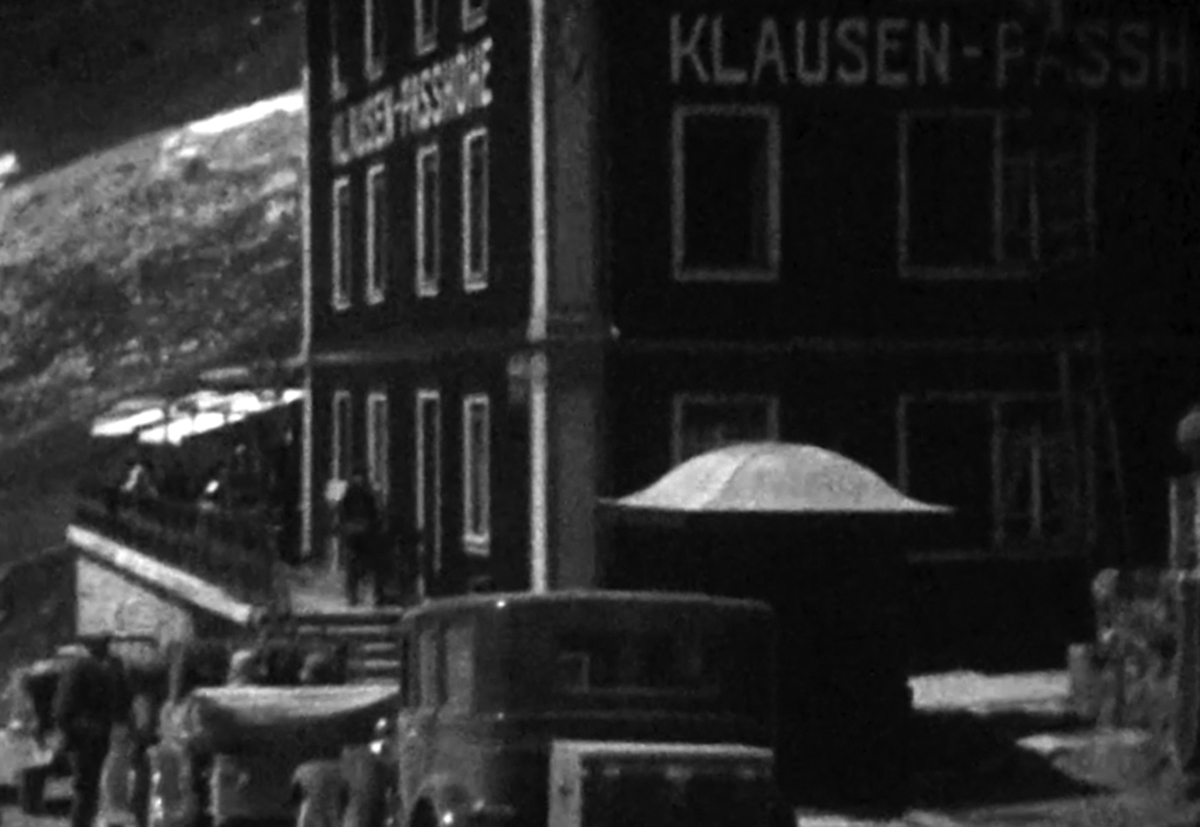 |
| The building at the top of Klausen Pass in Switzerland. |
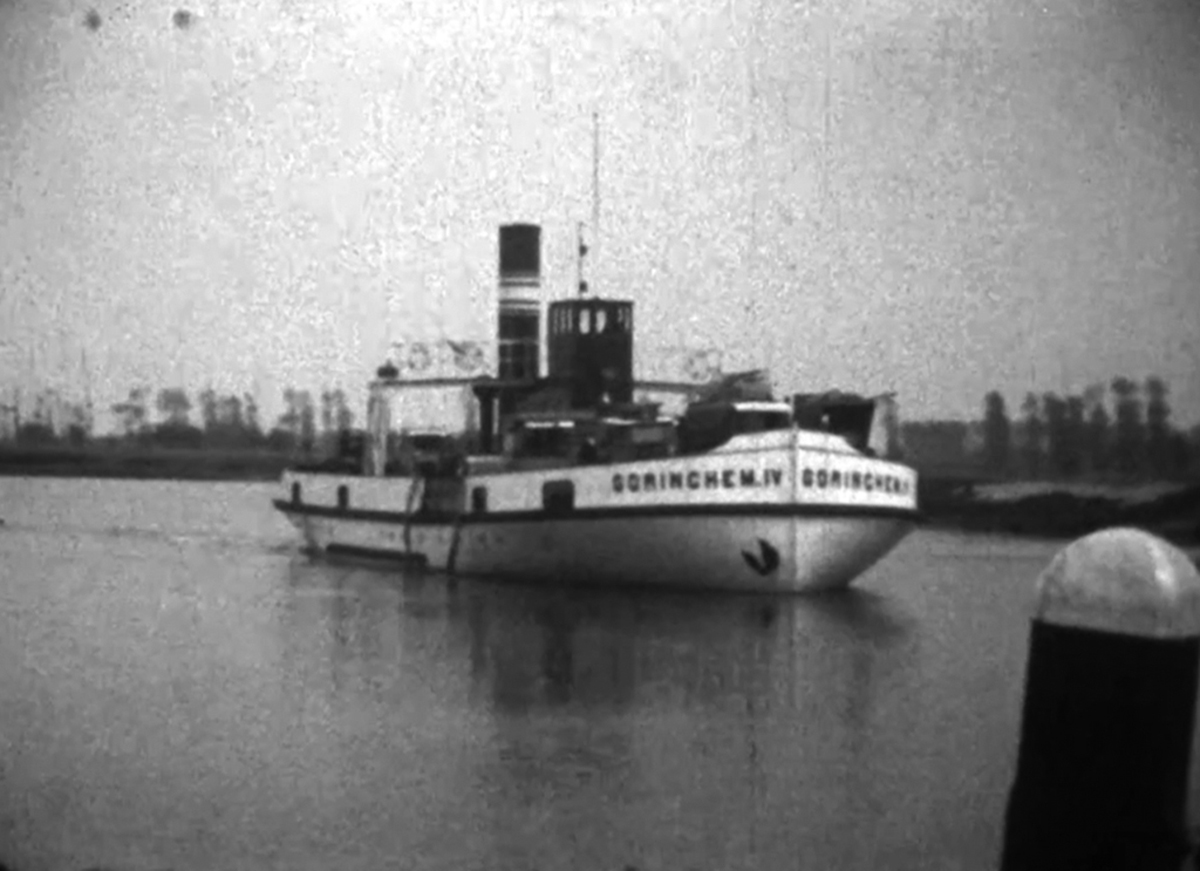
Then, at 16:20, the group appear to find themselves at Gorinchem, a town in the western Netherlands, in the province of South Holland. This means they had travelled roughly 850km from Klausen Pass. They are about to embark on the ferry, the Goringchem IV. This ferry transported passengers and vehicles across the lake from 1926 until 1961.
 |
|
The cars were ferried across a lake at Gorinchem, in the south of Holland. |
The film ends with the group arriving back in what is presumably Utrecht.
Next week, we start exploring Oom Willem’s travels in South Africa. The first reel is marked “Barberton – 1926” and it contains some fascinating footage of this area almost a century ago.
Viewed: 2152

Anton van Zyl
Anton van Zyl has been with the Zoutpansberger and Limpopo Mirror since 1990. He graduated from the Rand Afrikaans University (now University of Johannesburg) and obtained a BA Communications degree. He is a founder member of the Association of Independent Publishers.
Most Read Articles
Sponsored Content
Recent Headlines